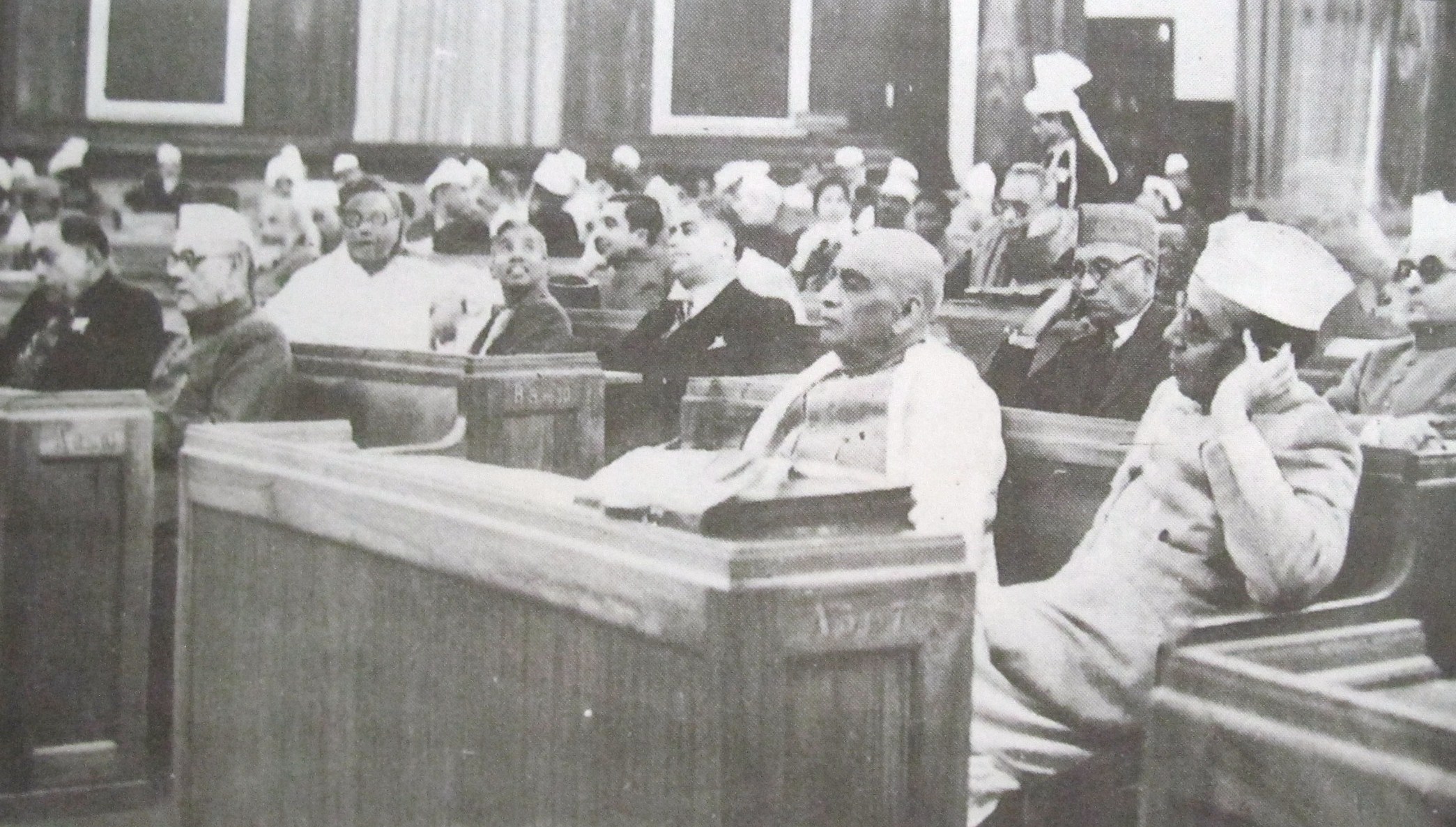
Vallabhbhai Patel
Born 31 October 1875 · Gujarat
Died 15 December 1950
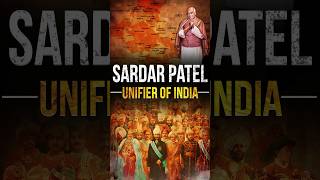
Unified over 500 princely states into the Indian Union after independence in 1947.
🔔 Add birthday reminderVallabhbhai Jhaverbhai Patel, commonly known as Sardar Vallabhbhai Patel, was an Indian independence activist, lawyer and statesman who served as the first Deputy Prime Minister and Home Minister of India from 1947 to 1950. He was a senior leader of the Indian National Congress, who played a significant role in the Indian independence movement and India's political integration. In India and elsewhere, he was often called Sardar meaning "chief". He acted as the Home Minister during the political integration of India and the Indo-Pakistani War of 1947.
✨ A detail that surprised us
The Statue of Unity, unveiled in 2018 in Gujarat, stands as the world’s tallest statue at 182 meters, commemorating Vallabhbhai Patel’s role in unifying India’s princely states.
1. 🌾 In 1918, Vallabhbhai Patel led the Kheda Satyagraha in Gujarat, organising peasants to withhold taxes despite crop failure, marking one of the earliest major non-violent protests against the British Raj.
2. ⚖️ By the mid-1920s, Patel abandoned a flourishing legal career to fully commit to the Indian National Congress, quickly becoming Gandhi’s trusted lieutenant and a key strategist in mass civil disobedience.
3. 🎤 On 7 August 1942, Patel electrified over 100,000 people at Bombay’s Gowalia Tank with a speech that galvanized support for the Quit India Movement, pushing skeptics into active rebellion.
4. In 1947, as India fractured at Partition, Patel assumed the role of Home Minister, organising refugee relief in Punjab and Delhi for millions fleeing communal violence and chaos.
5. 🏰 From August 1947 to 1948, Patel personally negotiated the accession of nearly 565 princely states to the Indian Union, often employing a mix of diplomacy and firm pressure to unify a fragmented subcontinent.
6. 🛡️ During the Indo-Pakistani War of 1947, Patel coordinated internal security and administrative responses, stabilising newly independent India amid external aggression and internal turmoil.
7. Patel’s efforts led to the creation of the All India Services system, institutionalising a professional civil service that remains the backbone of Indian administration today.
8. ❓ How did a rural lawyer from Gujarat transform into the ‘Iron Man’ who stitched together a fractured nation in less than three years after independence?
Awards & Honours
- 🏅Bharat Ratna
🔍 One thing most people don't know
In 1934, Patel became chairman of the Congress’s Central Parliamentary Board, orchestrating candidate selection and fundraising for the 1934 and 1936 elections, a role vital in shaping Congress’s political reach before independence.
🖼️ Through the Years
📅 The Journey
🗝️ Discoveries
"The first requisite for building a strong, free India is unity and peace. If there is no unity in the country, it is bound to go down."
— Vallabhbhai Patel
🎥 Speeches & Recordings
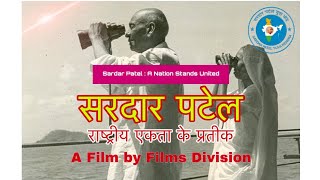
Sardar Patel : A Nation Stands United. a Film by Films Division of India
YouTube📖 Curated Sources
🌱 What changed because of them
Vallabhbhai Patel’s negotiation skills and firm resolve prevented the balkanisation of India by securing the accession of over 500 princely states to the Indian Union. His establishment of the All India Services laid the foundation for a professional and cohesive civil administration, crucial for governing the newly independent nation. His model of political integration and administrative organisation continues to influence India’s governance and federal structure.
💬 Social Buzz
🐦
What are people saying about Vallabhbhai Patel?
Found a post from a historian, journalist or notable voice? Share it here and help tell their story. 🇮🇳