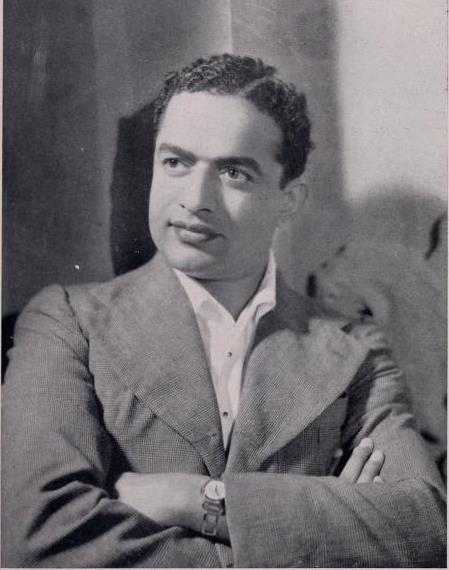
V. Shantaram
Born 18 November 1901 · Maharashtra
Died 30 October 1990
Directed the acclaimed film Do Aankhen Barah Haath which won international awards in 1957.
🔔 Add birthday reminderShantaram Rajaram Vankudre, also known as V. Shantaram or Shantaram Bapu, was an Indian film director, producer, screenwriter, actor and editor known for his work in Hindi and Marathi films. He is best known for films such as Dr. Kotnis Ki Amar Kahani (1946), Amar Bhoopali (1951), Jhanak Jhanak Payal Baaje (1955), Do Aankhen Barah Haath (1957), Navrang (1959), Duniya Na Mane (1937), Pinjara (1972), Chani, Iye Marathiche Nagari and Zunj.
✨ A detail that surprised us
Charlie Chaplin praised Shantaram's Marathi film Manoos, reportedly admiring it greatly.
1. In 1921, V. Shantaram debuted as an actor in the silent film Surekha Haran at Kolhapur, starting from odd jobs at Maharashtra Film Co., an unusual entry point for a filmmaker who would later revolutionize Indian cinema.
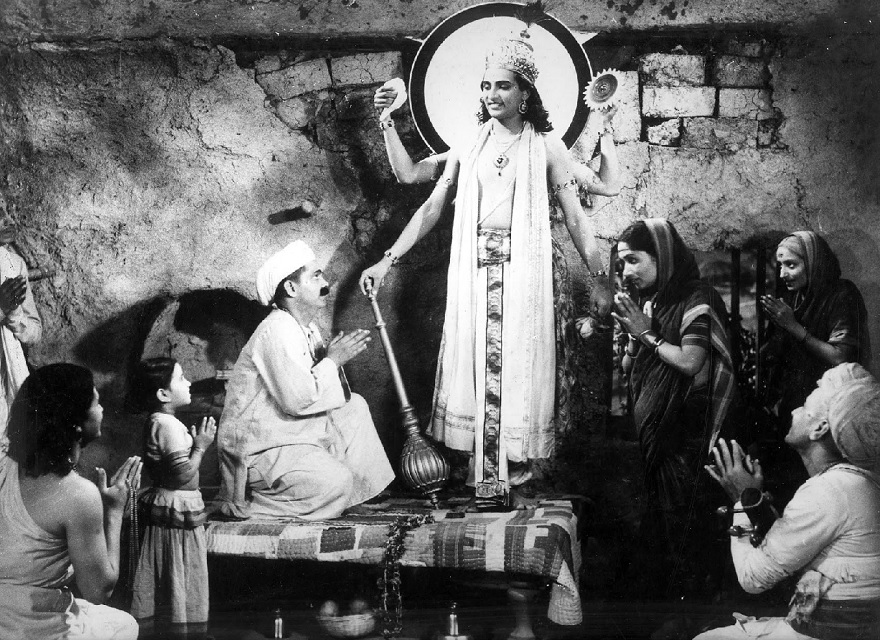
2. 🎬 In 1932, he directed Ayodhyecha Raja, the first Marathi talkie under the Prabhat Film Company, marking a technological and cultural milestone in regional Indian cinema.
3. 🌟 Shantaram co-founded Rajkamal Kalamandir studio in Mumbai in 1942, which quickly became one of India's most advanced film studios, hosting productions like Do Aankhen Barah Haath (1957), a film that explored prisoner rehabilitation with unprecedented social realism.
4. In 1937, his film Duniya Na Mane challenged societal norms by addressing the dowry system and women's rights, reflecting his use of cinema as an instrument of social reform decades before it was common.
5. 🎵 Known for his obsession with music, Shantaram reportedly ghostwrote music for his composers and rehearsed songs repeatedly, exemplified in Jhanak Jhanak Payal Baaje (1955), which set new standards for song picturization in Indian cinema.
6. In 1964, he introduced his daughter Rajshree and actor Jeetendra in Geet Gaya Patharon Ne, demonstrating his influence on shaping film careers across generations within his own family.
7. In 1985, he was honored with the Dadasaheb Phalke Award, validating his decades-long impact on Indian cinema, and posthumously received the Padma Vibhushan in 1992.
8. ❓ How did V. Shantaram's blending of lavish visuals with social issues reshape the narrative possibilities of Indian films during the post-independence era?
Awards & Honours
- 🏅Dadasaheb Phalke Award
- 🏅Padma Vibhushan
🔍 One thing most people don't know
In 1932, Shantaram directed Ayodhyecha Raja, the first Marathi language talkie, which was a pioneering step at a time when Indian cinema was still transitioning from silent films to sound.
🖼️ Through the Years

📅 The Journey
🗝️ Discoveries
🎥 Speeches & Recordings
V. Shantaram | Bollywood Biographies | Indian Filmmaker & Producer
YouTube📖 Curated Sources
🌱 What changed because of them
V. Shantaram transformed Indian cinema by founding Prabhat Film Company and Rajkamal Kalamandir, which became hubs for technical innovation and socially conscious filmmaking. His films introduced themes like prisoner reform and gender equality, influencing both Hindi and Marathi film industries. The establishment of the V. Shantaram Award by central and state governments institutionalized his legacy in Indian cultural history.
💬 Social Buzz
🐦
What are people saying about V. Shantaram?
Found a post from a historian, journalist or notable voice? Share it here and help tell their story. 🇮🇳