T. V. Sankaranarayanan, Carnatic Vocalist
Carnatic Vocalist

T. V. Sankaranarayanan

Born 9 October 1948 · Tamil Nadu

Died 2 September 2022

Awarded the Madras Music Academy's Sangeetha Kalanidhi in 2003 for Carnatic vocal excellence.

🔔 Add birthday reminder

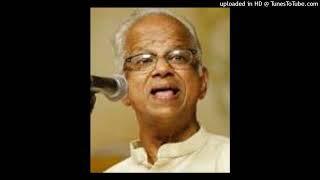
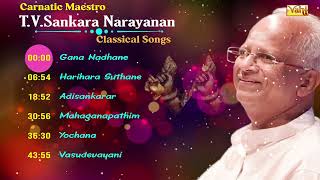
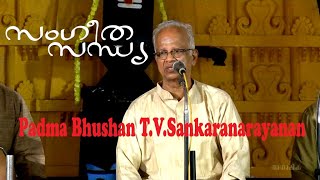
T. V. Sankaranarayanan, was an Indian Carnatic vocalist, known for his music that stems from the style of his guru and maternal-uncle, Madurai Mani Iyer. TVS was awarded the Madras Music Academy's Sangeetha Kalanidhi in 2003.

✨ A detail that surprised us

T. V. Sankaranarayanan was particularly renowned for his exceptional ability to reach the high notes effortlessly, a trait directly inherited from his uncle and guru Madurai Mani Iyer.

1. 🎤 In 1968, T. V. Sankaranarayanan debuted as a Carnatic vocalist at age 23, performing in Chennai and quickly gaining attention for his ability to effortlessly reach upper vocal notes.

2. Born in Mayiladuthurai, Tamil Nadu, in 1945, Sankaranarayanan was tutored from age nine by his maternal uncle Madurai Mani Iyer, a pivotal figure whose unique style shaped his musical approach.

3. He was awarded the coveted Sangeetha Kalanidhi title by the Madras Music Academy in 2003, an honor reflecting decades of dedication to Carnatic music.

4. 🌏 Sankaranarayanan’s concerts extended beyond India, bringing traditional Tamil Nadu Carnatic renditions to audiences in the USA, Canada, and Europe during the 1980s and 1990s.

5. His family carried forward his musical legacy, with his daughter Amruta and son Mahadevan Sankaranarayanan becoming established vocalists under his mentorship.

6. 🏆 Among his numerous awards, Sankaranarayanan received the Padma Bhushan in 2003 and the Sangeet Natak Akademi Award in 1990, marking formal recognition by both governmental and cultural institutions.

7. His vocal style was noted for blending classical rigor with a distinctive fluidity inherited from Madurai Mani Iyer, setting him apart from contemporaries.

8. ❓ How did Sankaranarayanan’s close familial ties to Madurai Mani Iyer influence the preservation and evolution of Carnatic vocal traditions in the late 20th century?

Awards & Honours

  • 🏅Sangeet Natak Akademi Award

🔍 One thing most people don't know

In 2003, Sankaranarayanan received both the Padma Bhushan and the Madras Music Academy’s Sangeetha Kalanidhi, two major honors in the same year, highlighting a peak in his recognition by both the state and classical music communities.

🖼️ Through the Years

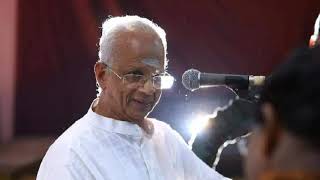
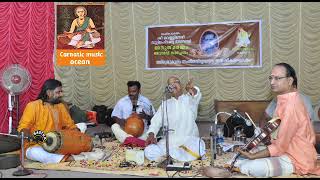
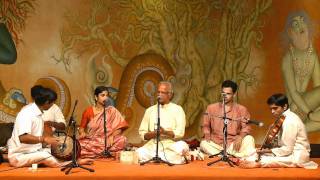
T. V. Sankaranarayanan performing at a Carnatic concert in Austin, Texas, commemorating Madurai Mani Iyer (2012).
2012

📅 The Journey

← Drag to explore →
🕊️

Born in Mayiladuthurai, Tamil Nadu

T. V. Sankaranarayanan was born in the culturally rich town of Mayiladuthurai in Thanjavur district, a hub for Carnatic music tradition.

Wikipedia

📚

Commenced vocal training with Madurai Mani Iyer

At age nine, Sankaranarayanan began his musical training under his maternal uncle and guru Madurai Mani Iyer, inheriting a distinct vocal style.

Carnatic debut concert

Made his first public concert appearance, marking the start of his professional singing career.

🏅

Received Sangeet Natak Akademi Award

Awarded by India's National Academy for Music, Dance and Drama for his contributions to Carnatic vocal music.

🏅

Awarded Padma Bhushan and Sangeetha Kalanidhi

Received India’s third highest civilian award and the prestigious Madras Music Academy honor in the same year.

🕊️

Passed away

T. V. Sankaranarayanan died, leaving behind a rich legacy in Carnatic music.

+Add a moment
1945Birth
1954
1968
1990
2003
2022

🗝️ Discoveries

👤

Sankaranarayanan began formal vocal training at the unusually young age of nine under his maternal uncle, Madurai Mani Iyer, who was not only his guru but also a family member, blending personal and artistic mentorship in his early years.

Source: Wikipedia

🌏

He was born in Mayiladuthurai, a small town in the Thanjavur district, a region known for producing many Carnatic musicians, placing him in a rich cultural context from birth.

Source: Wikipedia

💡

Sankaranarayanan’s vocal style is noted specifically for its fluidity and ability to effortlessly hit upper notes, a technical skill that distinguished him in the Carnatic music circuit.

Source: Wikipedia

🔍

His disciples include not only professional musicians like R. Suryaprakash but also his own children, indicating a direct transmission of his vocal tradition within his family.

Source: Wikipedia

🎥 Speeches & Recordings

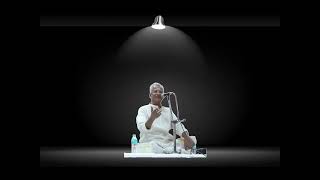
TV Sankaranarayanan-10- English notes

Experience a full 1978 Carnatic concert featuring TV Sankaranarayanan with violinist Palghat Raghu on mridangam.

YouTube

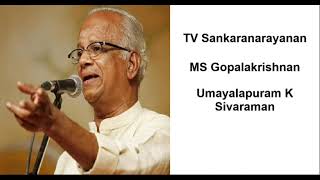
TV Sankaranarayanan - MS Gopalakrishnan - Umayalapuram K Sivaraman Concert

Watch a captivating Carnatic concert with TV Sankaranarayanan alongside MS Gopalakrishnan and Umayalapuram K Sivaraman.

YouTube

📖 Curated Sources

🌱 What changed because of them

Sankaranarayanan helped preserve and popularize the Madurai Mani Iyer style of Carnatic music, ensuring its transmission through both family and disciples, including his children. His recognition by prestigious institutions like the Madras Music Academy and the Government of India elevated the profile of this vocal tradition nationally and internationally. His performances abroad introduced global audiences to the nuanced upper-note techniques characteristic of his lineage.

💬 Social Buzz

🐦

What are people saying about T. V. Sankaranarayanan?

Found a post from a historian, journalist or notable voice? Share it here and help tell their story. 🇮🇳

💭 Memories & Tributes

Share your memory of T. V. Sankaranarayanan...
Loading memories...
Is this profile accurate?