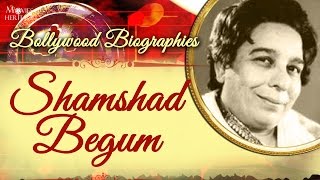
Shamshad Begum
Born 14 April 1919 · Punjab
Died 23 April 2013
Sang over 1,287 Hindi film songs during Bollywood's Golden Age from 1940s to 1960s.
🔔 Add birthday reminderShamshad Begum was an Indian singer who was one of the first playback singers in the Hindi film industry. Begum is regarded as one of the best and most popular female playback singers, and a pioneering figure in Hindi film music and was also one of the most influential playback singers during the "Golden Age" of Bollywood (1940s–1960s). Notable for her distinctive voice and range, she sang over 6,000 songs in Hindustani, Bengali, Marathi, Gujarati, Tamil, and Punjabi languages, among which 1287 were Hindi film songs. She worked with renowned composers of the time, such as Ghulam Haider who first discovered her. She also worked with Naushad Ali and O. P.
✨ A detail that surprised us
The song 'Inhi Logon Ne' was first sung by Shamshad Begum in 1941’s film Himmat, predating the more famous 'Pakeezah' version by over 30 years.
1. In 1919, Shamshad Begum was born in Lahore, British India, just a day after the Jallianwala Bagh massacre rocked nearby Amritsar, marking her entry into a world steeped in turmoil and change.
2. 🌟 At 12, despite her conservative family’s objections, she began singing at weddings and social events in Lahore, performing under strict conditions where her father insisted she wear a burqa and forbade photographs.
3. In 1934, at the age of 15, she defied religious conventions by marrying Ganpat Lal Batto, a Hindu law student, a union resisted fiercely by both families but that shaped her personal and professional life.
4. Her first playback singing debut in Marathi cinema came in 1942 with the film Kiti Hasaal, though ironically her recorded song was cut from the final release; her real breakthrough arrived only in 1948 with Ghulam Haider’s film Majboor.
5. 🎵 Between 1949 and 1957, she sang more Hindi film songs than any other female singer, with landmark hits in Mahal (1949), Dulari (1949), Barsaat (1949), and Andaz (1949), cementing her distinctive voice in Bollywood’s Golden Age.
6. Collaborating closely with O. P. Nayyar from 1957, she delivered iconic songs in films like Tumsa Nahin Dekha and Naya Daur, reshaping the era’s musical landscape with her unique high-pitched voice that replaced the then-popular nasal singing style.
7. After her husband Ganpat Lal Batto’s tragic death in 1955, Shamshad Begum managed her career independently, balancing personal loss with professional demands in a male-dominated industry.
8. ❓ How did Shamshad Begum’s early life in Lahore and her cross-cultural marriage influence the emotional depth and versatility that made her voice unforgettable across six languages?
Awards & Honours
- 🏅Padma Bhushan · 2009
🔍 One thing most people don't know
Despite her fame, Shamshad Begum’s playback debut song in the Marathi film Kiti Hasaal (1942) was edited out, delaying her rise until 1948 with Majboor.
🖼️ Through the Years
📅 The Journey
🗝️ Discoveries
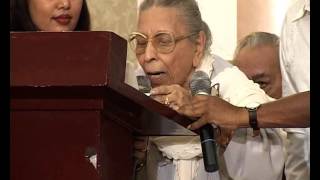
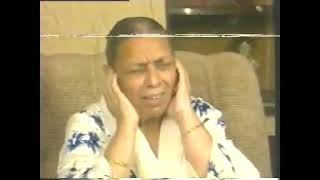
🎥 Speeches & Recordings
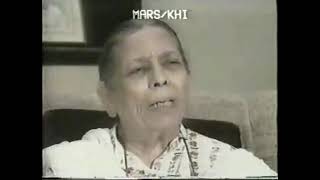
Singer Shamshad Begum rare Interview -Part 1
YouTube📖 Curated Sources
🌱 What changed because of them
Shamshad Begum’s pioneering playback singing during Bollywood’s Golden Age challenged prevailing vocal styles, shifting the trend away from heavily nasal voices to her distinctive high-pitched timbre. Her collaborations with composers like Ghulam Haider and O. P. Nayyar influenced generations of singers and reshaped Hindi film music’s soundscape. Her multilingual repertoire set a precedent for versatility, impacting the way film music embraced diverse linguistic and cultural expressions.
💬 Social Buzz
🐦
What are people saying about Shamshad Begum?
Found a post from a historian, journalist or notable voice? Share it here and help tell their story. 🇮🇳