Ravi Shankar, Sitar Maestro
Sitar Maestro

Ravi Shankar

Born 7 April 1920 · Uttar Pradesh — Died 11 December 2012

Popularized Indian classical music worldwide through collaborations with Western musicians like George Harrison.

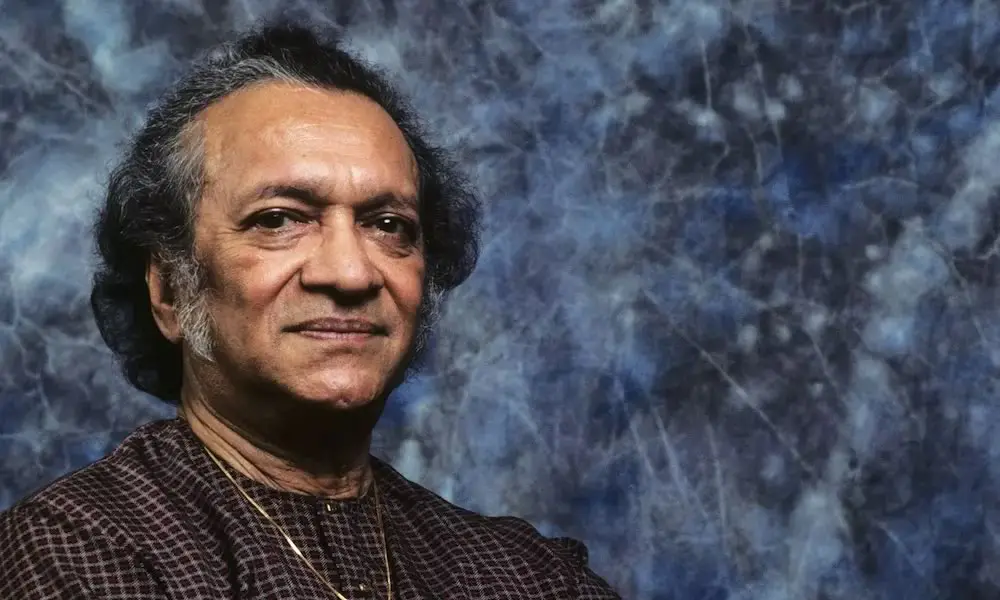
Pandit Ravi Shankar was an Indian sitarist and composer. A sitar virtuoso, he became the world's best-known exponent of Indian classical music in the second half of the 20th century, and influenced many musicians in India and throughout the world. Shankar was awarded India's highest civilian honour, the Bharat Ratna, in 1999. He is also the father of American singer Norah Jones and British-American musician and sitar player Anoushka Shankar.

✨

A detail that
surprised us

“

In 1966, George Harrison had to continue his sitar lessons with Ravi Shankar in rural India to avoid chaotic crowds that gathered when it was known the Beatles guitarist was visiting.

The Story

1
🎭 In 1930, at just 10 years old, Ravi Shankar toured Europe and America as a dancer with his brother Uday Shankar’s troupe, exposing him early to cross-cultural artistic exchanges that shaped his future music career.
2
In 1938, Shankar abandoned dance to study sitar under the strict tutelage of Allauddin Khan in Maihar, living in the guru’s household and mastering ragas, dhrupad, and instruments like the rudra veena over seven intense years.
3🎬 By 1944, freshly trained, he composed the evocative scores for Satyajit Ray’s Apu Trilogy, embedding classical Indian music into cinema and elevating its narrative power.
4From 1949 to 1956, Shankar directed music at All India Radio in New Delhi, founding the Indian National Orchestra and reshaping the broadcast of Indian classical music nationwide.

🏅 Awards & Honours

1962
Sangeet Natak Akademi Award
1967
Padma Bhushan
1981
Padma Vibhushan
1999
Bharat Ratna

🔍 One thing most people don't know

“

Ravi Shankar’s father, a barrister and politician, used the Sanskrit spelling of their family name and removed its last part, an unusual choice reflecting a blend of tradition and modern identity in early 20th-century India.

🖼️

Through the Years

4 photographs from the archives
Ravi Shankar at the first music conference after India's independence (1948)
1948
Ravi Shankar with Bharat Ratna award in a formal portrait (1985)
Ravi Shankar performing at Sandeep Das's debut concert (2012)
Ravi Shankar with Guru Sanchita during a public event (2012)

🗓️ A Life in Moments

🕊️
Birth
Born in Benares, Uttar Pradesh
Born Rabindra Shankar Chowdhury in a Bengali family, youngest of seven brothers, marking the start of a life bridging cultural worlds.
1920
⚡
Career
Tours Europe and America as dancer
At age 10, toured internationally with brother Uday Shankar’s dance troupe, gaining early exposure to global audiences.
1930
📚
Education
Begins sitar training under Allauddin Khan
Leaves dance to become sitar student in Maihar, starting a seven-year rigorous musical apprenticeship.
1938
⚡
Career
Composes music for Apu Trilogy
Creates acclaimed scores for Satyajit Ray’s films, integrating classical music into Indian cinema.
1944
⚡
Career
Becomes Music Director of All India Radio
Leads AIR Delhi and founds Indian National Orchestra, shaping India’s musical broadcast landscape until 1956.
1949
⚡
Career
Tours Europe and America as sitarist
Begins international tours popularizing Indian classical music, later collaborating with Yehudi Menuhin and George Harrison.
1956
🏅
Award
Wins Grammy for Concert for Bangladesh
Earns first Grammy as performer at George Harrison’s charity concert, marking Indian music’s global recognition.
1973
⚡
Career
Nominated to Rajya Sabha
Serves as nominated member of India’s upper house of parliament until 1992, representing the arts.
1986
🏅
Award
Awarded Bharat Ratna
Receives India’s highest civilian honor, recognizing his lifetime musical achievements.
1999
More moments to come...
+ Add a moment

🗝️Discoveries

Swipe to uncover hidden stories
01 / 04
🏆ACHIEVEMENT

Shankar’s re-composition of the patriotic song “Saare Jahan Se Accha” became the most popular version and is still used as a marching tune by the Indian Army.

02 / 04
💡SURPRISING

Despite his global fame, Shankar’s distinctive sitar playing style, especially his use of quick string deviations and rhythmic novelties, was not widely adopted by other sitarists, marking him as a unique voice rather than a stylistic trendsetter.

03 / 04
🏆ACHIEVEMENT

Shankar was nominated to the Rajya Sabha (India’s upper parliamentary house) from 1986 to 1992, a rare honor for a musician, linking art with national governance.

“

"The music is very beautiful and very complex, but it is not difficult. You have just to listen carefully."

— Ravi Shankar

🎙️ Speeches & Recordings

These recordings preserve the legacy of Bharat's icons
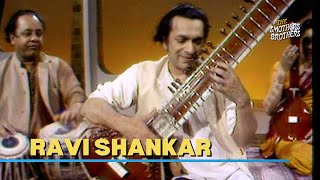
1985: RAVI SHANKAR - master of the SITAR | Maestro and Guru | Classic BBC Music | BBC Archive
More from this archive
1985: RAVI SHANKAR - master of the SITAR | Maestro and Guru | Classic BBC Music | BBC Archive
01
1985: RAVI SHANKAR - master of the SITAR | Maestro and Guru | Classic BBC Music | BBC Archive
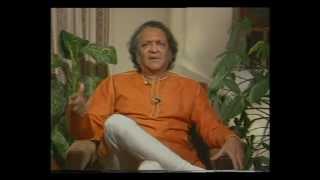
IN CONVERSATION - PANDIT RAVI SHANKAR
02
IN CONVERSATION - PANDIT RAVI SHANKAR
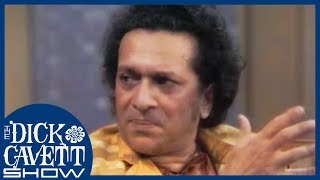
Ravi Shankar on The Sitar's Association With Drugs | The Dick Cavett Show
03
Ravi Shankar on The Sitar's Association With Drugs | The Dick Cavett Show
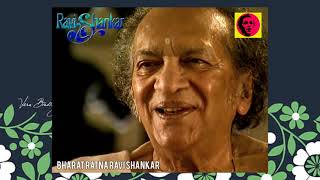
Ravi Shankar In Conversation With Rajiv Mehrotra | Delhi Doordarshan 1995 | Remastered HD
04
Ravi Shankar In Conversation With Rajiv Mehrotra | Delhi Doordarshan 1995 | Remastered HD
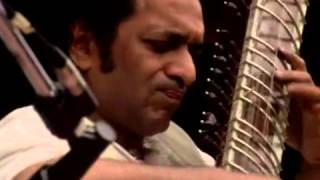
Ravi Shankar at Monterey Pop (June 1967)
05
Ravi Shankar at Monterey Pop (June 1967)
Ravi Shankar | Performance and Interview | The Smothers Brothers Comedy Hour
06
Ravi Shankar | Performance and Interview | The Smothers Brothers Comedy Hour
Pandit Ravi Shankar (Old Documentary)
07
Pandit Ravi Shankar (Old Documentary)
Interview with Pt. Ravi Shankar | Sitar Maestro
08
Interview with Pt. Ravi Shankar | Sitar Maestro
Ravi Shankar teaches George Harrison how to play sitar 1968 (Rishikesh, India HQ RARE)
09
Ravi Shankar teaches George Harrison how to play sitar 1968 (Rishikesh, India HQ RARE)
Ravi Shankar's 53 Mins Interview Session In San Diego | Rare | Remastered | HD
10
Ravi Shankar's 53 Mins Interview Session In San Diego | Rare | Remastered | HD

🌱 What changed because of them

Ravi Shankar transformed Indian classical music by taking it from royal courts and local audiences to global concert halls and Western pop culture, notably influencing the Beatles and other international musicians. His tenure at All India Radio modernized the broadcast and preservation of classical music in India. Additionally, his compositions for films like the Apu Trilogy and Gandhi introduced Indian musical traditions to cinematic storytelling worldwide.

💬 Social Buzz

💬

What are people saying about Ravi Shankar?

Share posts from historians, journalists and notable voices about this icon. 🇮🇳

💭 Memories & Tributes

Share your memory of Ravi Shankar...
Loading memories...
Is this profile accurate?