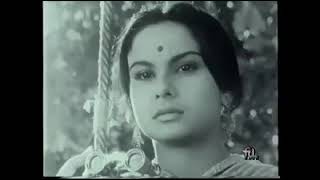
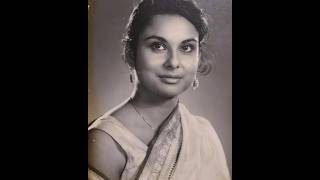
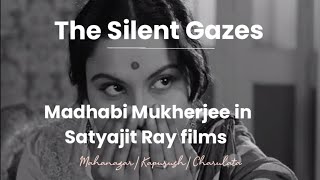
Madhavi Mukherjee
Born 10 February 1942 · West Bengal
Won the National Film Award for Best Actress for the Bengali film Dibratrir Kabya.
🔔 Add birthday reminderMadhabi Chakraborty is an Indian actress. Considered to be one of the greatest actresses of Bengali cinema, she has acted in some of the most critically acclaimed films in Bengali cinema. She won the National Film Award for Best Actress for her performance in the Bengali film Dibratrir Kabya.
✨ A detail that surprised us
In 1960, Mrinal Sen changed her screen name from Madhabi Chakraborty to Madhabi Mukherjee during the filming of Baishe Sravan, a rare instance of director-driven renaming in Bengali cinema.
1. 🎬 In 1960, Madhabi Mukherjee starred in Mrinal Sen's Baishe Sravan, portraying a 16-year-old bride navigating the devastating Bengal famine of 1943, a role that reflected the harsh realities of wartime Bengal and social change.
2. In 1963, Satyajit Ray cast her as Arati in Mahanagar, a groundbreaking film where she played a woman entering the workforce amidst family resistance, embodying the early stirrings of feminist consciousness in Bengali society.
3. 🎭 Before films, she honed her craft on stage under legends like Sisir Bhaduri and Chhabi Biswas, performing in plays such as Naa and Kalarah, grounding her acting in theatrical traditions of Kolkata.
4. Her haunting role in Ritwik Ghatak's Subarnarekha (1962, released 1965) as Sita—a woman who tragically dies upon encountering her estranged brother as a client—brought to light the trauma of partition and socio-economic despair.
5. 🏆 Madhabi Mukherjee won the National Film Award for Best Actress for Dibratrir Kabya (1970), a film that delves into complex human emotions and existential themes, marking a peak in her cinematic journey.
6. Through the 1970s and 1980s, she appeared in films like Chhadmabeshi (1971) and Ganadevata (1979), continuously exploring nuanced female characters in changing Bengali social contexts.
7. 🕊️ Emerging in an era when Bengali cinema was turning inward, she helped pioneer a style marked by subtlety and interior emotional complexity, influencing acting styles beyond Bengal.
8. ❓ How did Madhabi Mukherjee's portrayals challenge and reflect the evolving role of women in mid-20th century Bengali society and cinema?
Awards & Honours
- 🏅National Film Award for Best Actress for Dibratrir Kabya
🔍 One thing most people don't know
Madhabi Mukherjee debuted as a child artist in 1950 in Premendra Mitra's Kankantola Light Railway, yet her first leading role came six years later in Tapan Sinha's Tonsil (1956).
🖼️ Through the Years
📷 No photos yet
📅 The Journey
🗝️ Discoveries
"He [Satyajit Ray] read me the entire story, Mahanagar. I was stunned. This was the first woman-centered screenplay I had encountered."
— Madhavi Mukherjee
🎥 Speeches & Recordings
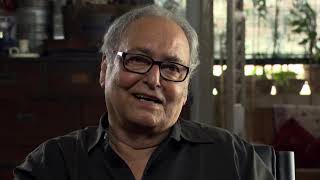
Satyajit Roy's interview on Madhabi Mukherjee , In Shilla Datta's docu film PORTRAIT OF AN ACTRESS.
YouTube📖 Curated Sources
🌱 What changed because of them
Madhabi Mukherjee introduced a new depth of interiority and psychological complexity to female roles in Bengali cinema, influencing generations of actors and filmmakers. Her work with auteurs like Satyajit Ray and Ritwik Ghatak helped articulate emerging feminist perspectives in Indian cinema, broadening narrative focus on women's experiences. Institutions such as the National Film Awards recognized her nuanced performances, shifting critical appreciation toward more layered portrayals of women.
💬 Social Buzz
🐦
What are people saying about Madhavi Mukherjee?
Found a post from a historian, journalist or notable voice? Share it here and help tell their story. 🇮🇳