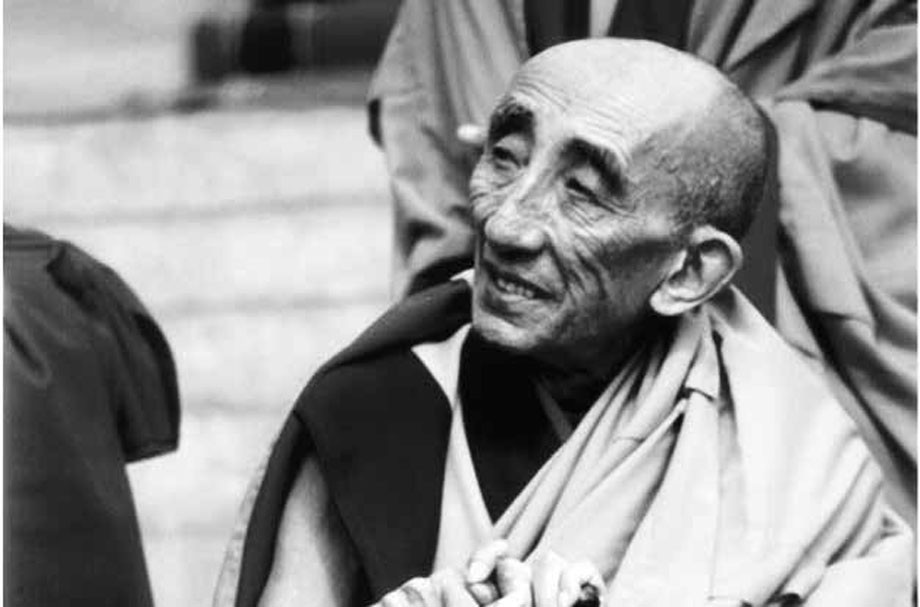
Kushok Bakula Rinpoche
Born 27 May 1918 · Ladakh
Serving as the 19th Kushok Bakula Rinpoche, a revered Buddhist spiritual leader of Ladakh.
🔔 Add birthday reminderNgawang Lobzang Thupstan Chognor , commonly known as 19th Kushok Bakula Rinpoche (19 May 1918 – 4 November 2003) was an Indian Buddhist lama, who also served as India's ambassador to Mongolia. He is mainly known for his efforts in reviving Buddhism in Mongolia and Russia by linking them with the community of Tibetan exiles in India.
✨ A detail that surprised us
The Kushok Bakula Rimpochee Airport near his birthplace is the highest commercial airport in India, situated over 3,250 meters above sea level.
1. 🌄 Born on May 21, 1917, in Matho village near Leh, Ladakh, Kushok Bakula Rinpoche was rooted deeply in a Buddhist royal lineage, linking his spiritual legacy to the ancient Spituk Monastery just minutes from today’s highest commercial airport in India.
2. 🕉️ As the 19th incarnation in a lineage tracing back to Indian Mahasiddhas like Tilopa and Luipa, he uniquely embodied spiritual traditions spanning from ancient India to Tibet, documented in the rare Tibetan text Naytan Chagchot.
3. In post-independence India, Kushok Bakula Rinpoche went beyond monastic walls, becoming a diplomat and serving as ambassador to Mongolia, where he actively revived Buddhism after decades of political suppression.
4. ✈️ The Kushok Bakula Rimpochee Airport in Leh, named after him, sits at 3,256 meters altitude and is famed for its perilous Himalayan approach, symbolically linking his spiritual presence to the gateway of Ladakh’s rugged terrain.
5. He organized the 1973 historic meeting of the Dalai Lama with Buddhist leaders from the Soviet Union and Mongolia, a breakthrough event that opened dialogues during Cold War tensions and sowed seeds for the revival of Buddhism in those regions.
6. 🌐 Kushok Bakula Rinpoche’s vision extended beyond religion—he saw Ladakh’s Buddhist identity as key to India’s geopolitical security, making his spiritual leadership inseparable from national strategy.
7. His personal practice included embracing simple austerity, famously using pakula grass mats for meditation and sleep, a detail that inspired his very name and highlighted his detachment from worldly comforts.
8. ❓ How did a monk from a remote Himalayan village come to influence international diplomacy and religious revival across Asia’s most politically complex regions?
Awards & Honours
- 🏅Padma Bhushan · 1988
🔍 One thing most people don't know
The lineage of Kushok Bakula Rinpoche includes Indian Mahasiddhas such as Tilopa and Luipa, connecting 19 documented incarnations across centuries and regions, as recorded in the Tibetan text Naytan Chagchot.
🖼️ Through the Years
📷 No photos yet
📅 The Journey
🗝️ Discoveries
🎥 Speeches & Recordings
🎥 Know a speech or documentary about Kushok Bakula Rinpoche?
📖 Curated Sources
🌱 What changed because of them
Kushok Bakula Rinpoche’s diplomatic efforts restored Buddhism in Mongolia and reconnected Buddhist communities split by Cold War politics. His leadership also cemented Ladakh's cultural identity within India’s national security framework, influencing policies that recognized the region’s unique spiritual and geopolitical significance. Institutions like Spituk Monastery and the eponymous airport stand as testaments to his enduring influence.
💬 Social Buzz
🐦
What are people saying about Kushok Bakula Rinpoche?
Found a post from a historian, journalist or notable voice? Share it here and help tell their story. 🇮🇳