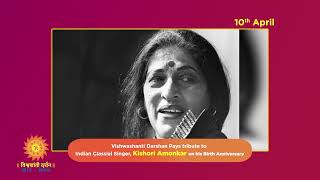
Kishori Amonkar
Born 10 April 1932 · Maharashtra
Died 3 April 2017
Revitalizing Jaipur Gharana khyal singing with innovative vocal techniques and emotional expression.
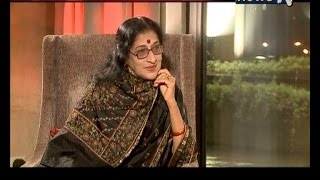
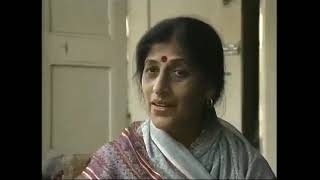
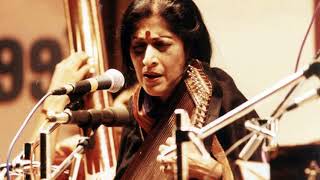
🔔 Add birthday reminderKishori Amonkar was an Indian classical vocalist, belonging to the Jaipur Gharana, or a community of musicians sharing a distinctive musical style. She is considered to be one of the foremost classical singers in India. She was a performer of the classical genre khyal and the light classical genres thumri and bhajan. Amonkar trained under her mother, classical singer Mogubai Kurdikar also from the Jaipur Gharana, but she experimented with a variety of vocal styles in her career.
✨ A detail that surprised us
Kishori Amonkar once stopped performing publicly for some time due to a passionate objection to how her music was being perceived, highlighting her uncompromising artistic integrity.
1. 🎶 In the early 1940s, Kishori Amonkar, under the strict tutelage of her mother Mogubai Kurdikar, began accompanying her on stage playing the tanpura, marking her first public exposure to Hindustani classical music performance in Mumbai.
2. In 1964, Amonkar sang playback for the film Geet Gaya Patharon Ne but soon withdrew from film music, influenced by her mother's disapproval and her own conviction that film compromised the purity of swaras (musical notes).
3. 🌟 By 1985, she had been awarded the prestigious Sangeet Natak Akademi Award, recognizing her innovative yet rooted approach to the Jaipur gharana tradition.
4. Kishori Amonkar was known for blending techniques from multiple gharanas; for example, she adopted the meend (gliding between notes) technique taught by Anjanibai Malpekar of the Bhendibazaar gharana, which became a hallmark of her style.
5. In 2002, she received the Padma Vibhushan, India’s second-highest civilian award, an acknowledgment of her role in evolving classical music beyond rigid gharana boundaries.
6. She often challenged traditional pedagogy by emphasizing that a student must learn to 'walk and run on their own,' a philosophy imparted by her mother, which she credited for her refusal to remain an 'ordinary' musician.
7. ❓ How did Kishori Amonkar’s insistence on emotional expression over strict gharana rules reshape the expectations of Hindustani vocalists in the modern era?
Awards & Honours
- 🏅Sangeet Natak Akademi Award · 1985
- 🏅Padma Bhushan · 1987
- 🏅Padma Vibhushan · 2002
🔍 One thing most people don't know
In the 1940s, Amonkar studied under Anjanibai Malpekar of the Bhendibazaar gharana, who taught her the technique of meend, significantly influencing her vocal style beyond her Jaipur gharana roots.
🖼️ Through the Years
📷 No photos yet
📅 The Journey
🗝️ Discoveries
"You have to walk and run on your own. The guru gives you strength to be able to do that. If you don't, then you remain ordinary. My mother made sure I wasn't ordinary."
— Kishori Amonkar
🎥 Speeches & Recordings
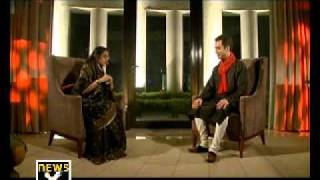
Art Talk - Kishori Amonkar (Classical Vocalist)
YouTube📖 Curated Sources
🌱 What changed because of them
Kishori Amonkar’s blending of multiple gharana styles expanded the expressive possibilities of Hindustani classical music, influencing a generation of vocalists to prioritize emotional depth and improvisation over rigid tradition. Her approach encouraged music institutions and educators to reconsider teaching methods, placing greater emphasis on personal expression within classical frameworks. Her receipt of top civilian awards like the Padma Vibhushan spotlighted classical vocal innovation on the national cultural stage.
💬 Social Buzz
🐦
What are people saying about Kishori Amonkar?
Found a post from a historian, journalist or notable voice? Share it here and help tell their story. 🇮🇳