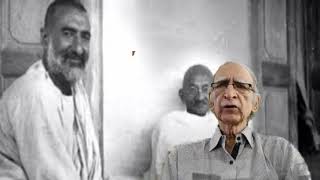
Khan Abdul Ghaffar Khan, Freedom Fighter
Freedom Fighter

Khan Abdul Ghaffar Khan

Born 6 February 1890 · Pakistan

Died 20 January 1988

Founded the Khudai Khidmatgar nonviolent resistance movement against British rule in colonial India.

🔔 Add birthday reminder

Khan Abdul Ghaffar Khan, also known as Bacha Khan and Badshah Khan, was an Indian independence activist from the North-West Frontier Province, and founder of the Khudai Khidmatgar resistance movement against British rule in colonial India. After the partition occurred, he became a Pakistani politician and led the Azad Party.

✨ A detail that surprised us

Khan Abdul Ghaffar Khan convinced over 100,000 Pashtuns, a group with a historic reputation for violence, to take a solemn oath of nonviolence and community service as part of the Khudai Khidmatgar movement.

1. 🌄 In 1929, in the rugged North-West Frontier Province, Khan Abdul Ghaffar Khan founded the Khudai Khidmatgar, rallying over 100,000 Pashtuns to renounce violence and serve their communities through disciplined nonviolent resistance.

2. 📚 At age 20, Khan opened his first school near Peshawar, defying local norms by promoting education among the Pashtuns, who had limited access to formal schooling under British rule.

3. 🤝 In 1928, his meeting with Mahatma Gandhi sparked a lifelong alliance, blending Khan’s Pashtun heritage with Gandhi’s vision of nonviolence, earning him the nickname "Frontier Gandhi."

4. 🛑 In June 1947, Khan boldly issued the Bannu Resolution demanding independence for Pashtun territories, rejecting the British-imposed choice between India and Pakistan, a stance that British authorities ignored.

5. Despite his opposition to partition, Khan remained in Pakistan after 1947, enduring repeated imprisonments between 1948 and 1954 for resisting Pakistani policies that suppressed his vision of Pashtun autonomy.

6. His political career in Pakistan included leading the Azad Party and opposing the One Unit program in 1956, which sought to merge provinces, leading to further arrests and exile during the 1960s and 70s.

7. ❓ How did a man from a warrior Pashtun tribe, known historically for armed conflict, transform thousands into a disciplined nonviolent force that challenged colonial rule and later faced his own government’s repression?

Awards & Honours

  • 🏅Bharat Ratna

🔍 One thing most people don't know

In 1929, Khan’s Khudai Khidmatgar movement included a vow requiring members to perform at least two hours of social work daily, blending spiritual discipline with political activism.

🖼️ Through the Years

Khan Abdul Ghaffar Khan with Mahatma Gandhi during a meeting in 1940.
1940
Khan Abdul Ghaffar Khan with Nehru and Sardar Patel at Simla independence conference in 1946.
1946
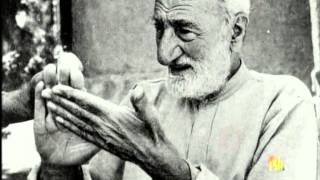
Portrait of Khan Abdul Ghaffar Khan, leader of the Red Shirt Movement and Awami National Party founder.
1930
Khan Abdul Ghaffar Khan with a young girl, symbolizing his role in the Khudai Khidmatgar movement.
1930
Khan Abdul Ghaffar Khan visiting King Edward's College in NWFP during 1938.
1938
Indian postage stamp issued in 1993 honoring Khan Abdul Ghaffar Khan.
1993

📅 The Journey

← Drag to explore →
🕊️

Birth in Utmanzai, Punjab Province

Khan Abdul Ghaffar Khan was born into a Muhammadzai Pashtun family in Utmanzai, then part of British India's Punjab province.

Wikipedia

Founded first school near Peshawar

At age 20, Khan opened a school promoting education among Pashtun youth, inspired by his own mission school experience.

Met Mahatma Gandhi and joined Congress

Khan’s meeting with Gandhi in 1928 led to his joining the Indian National Congress and adopting nonviolent resistance.

Founded Khudai Khidmatgar movement

Khan established the Khudai Khidmatgar, mobilizing over 100,000 Pashtuns to pledge nonviolence and community service.

Issued Bannu Resolution

Khan demanded an independent Pashtun state, Pashtunistan, rejecting both Indian and Pakistani dominions; the British dismissed this demand.

Chose to remain in Pakistan post-partition

Despite opposing partition, Khan stayed in North-West Frontier Province, later facing arrests for his political activism.

Opposed One Unit program, arrested again

Khan was jailed for resisting the Pakistani government's merger of provinces into West Pakistan under the One Unit policy.

🕊️

Death in Peshawar

Khan Abdul Ghaffar Khan died aged 97 in Peshawar, leaving a legacy of nonviolence and Pashtun political activism.

+Add a moment
1890Birth
1910
1928
1929
1947
1947
1956
1988

🗝️ Discoveries

🌏

Khan Abdul Ghaffar Khan attended Edward's Mission School, run by Christian missionaries, which was the only fully functioning school in his region during his youth in the late 19th century.

Source: Wikipedia

💡

Although a devout Muslim, Khan championed Hindu-Muslim unity and was a close spiritual confidant of Gandhi, a Hindu leader, defying prevalent religious divides in colonial India.

Source: Qantara.de

🌏

In June 1947, Khan and his brother boycotted the North-West Frontier Province referendum because it denied Pashtuns the option of an independent state, a demand officially ignored by British authorities.

Source: Wikipedia

🔍

Despite founding a nonviolent resistance movement, Khan was imprisoned repeatedly by Pakistan’s government post-independence, notably for opposing the One Unit plan that sought to dissolve provincial identities.

Source: Wikipedia

"Nonviolence is not a garment to be put on and off at will. Its seat is in the heart, and it must be an inseparable part of our being."

Khan Abdul Ghaffar Khan

🎥 Speeches & Recordings

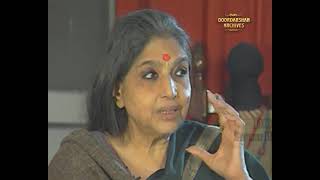
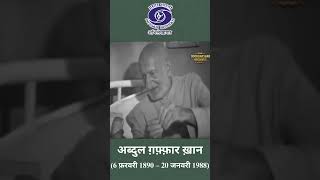
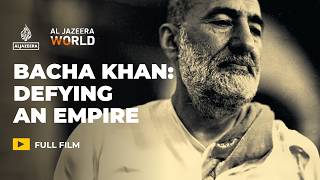
Abdul Gaffar Khan | Documentary

Explore the life and political journey of Khan Abdul Ghaffar Khan, the iconic Pakhtun leader and freedom fighter.

YouTube

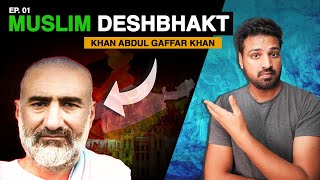
Khan Abdul Gaffar Khan वो गांधी जिसे भुला दिया गया | Indian Muslim Freedom Fighters | Ep01

Join a deep dive into the remarkable life of Khan Abdul Ghaffar Khan, the forgotten Gandhi of Indian Muslim freedom fighters.

YouTube

📖 Curated Sources

🌱 What changed because of them

Khan Abdul Ghaffar Khan’s Khudai Khidmatgar movement introduced mass nonviolent resistance to a fiercely tribal region, influencing Indian independence activism and Pashtun political identity. His advocacy for Pashtun autonomy shaped subsequent regional politics, and his collaboration with Gandhi symbolized Hindu-Muslim unity during a fractious era. Despite facing imprisonment post-partition, his efforts laid groundwork for political parties like the Azad Pakistan Party and the National Awami Party.

💬 Social Buzz

🐦

What are people saying about Khan Abdul Ghaffar Khan?

Found a post from a historian, journalist or notable voice? Share it here and help tell their story. 🇮🇳

💭 Memories & Tributes

Share your memory of Khan Abdul Ghaffar Khan...
Loading memories...
Is this profile accurate?