Kesarbai Kerkar, Classical Vocalist
Classical Vocalist

Kesarbai Kerkar

Born 10 January 1892 · Goa

Died 16 September 1977

Popularized the Jaipur-Atrauli gharana style through acclaimed khayal performances across India.

🔔 Add birthday reminder

Kesarbai Kerkar was an Indian classical vocalist of the Jaipur-Atrauli gharana. A protege of Ustad Alladiya Khan (1855–1946), the founder of the gharana, she went on to become one of the most noted khayal singers of the second half of the 20th century.

✨ A detail that surprised us

One of Kesarbai Kerkar’s 1935 recordings was selected by NASA to be included on the Voyager Golden Record, launched into space in 1977.

1. 🎶 In 1900, at age 8, Kesarbai Kerkar moved from her tiny Goan village of Keri to Kolhapur, where she trained eight months under Abdul Karim Khan, a towering figure in Indian classical music. 2. Despite early rejections from her gurus due to her devadasi background, by 1921 she secured tutelage under Ustad Alladiya Khan, founder of the Jaipur-Atrauli gharana, enduring eleven rigorous years of training until his death in 1946. 3. 🎤 In 1935, Kerkar recorded eight double-sided 78 rpm discs for Broadcast Records, some tracks lasting nearly 8 minutes per side—twice the usual length—highlighting her mastery and refusal to conform to commercial constraints. 4. By the early 1930s, she defied norms by performing publicly beyond traditional mehfils, becoming a rare female khayal singer who avoided the light classical genres typically expected of women, paving the way for future generations. 5. 🏆 At age 61, she received the Sangeet Natak Akademi Award in 1953, and in 1969, the Padma Bhushan, marking official recognition of her artistic stature in independent India. 6. Known for her strict artistic principles, Kesarbai refused microphones and loudspeakers on stage, insisting on preserving the purity and dignity of classical vocal music in an era of technological change. 7. 🚀 Her voice transcended earthly bounds when a recording of her singing 'Jaat Kahan Ho Akeli, Gori' in Raag Bhairavi was included on NASA’s Voyager Golden Record in 1977, sending her art into outer space. 8. ❓ How did a Goan devadasi’s daughter overcome entrenched social stigma and musical conservatism to have her voice echo across the cosmos and reshape the role of women in Hindustani classical music?

Awards & Honours

  • 🏅Sangeet Natak Akademi Award

🔍 One thing most people don't know

Born in Portuguese Goa in 1892, Kesarbai belonged to a devadasi family but moved to Kolhapur at age 8 to study with Abdul Karim Khan, breaking regional and social barriers early on.

🖼️ Through the Years

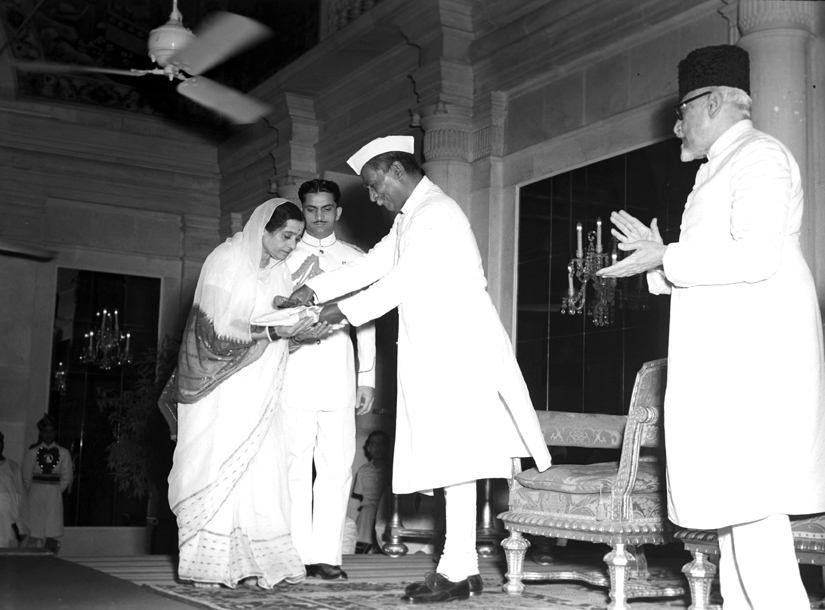
Kesarbai Kerkar receiving an award from President Rajendra Prasad at Rashtrapati Bhavan (1953).
1953
Kesarbai Kerkar at the first music conference after India's independence (1948).
1948

📅 The Journey

← Drag to explore →
🕊️

Birth in Keri, Goa

Kesarbai Kerkar was born in the small village of Keri in Goa, then a Portuguese colony.

Wikipedia

📚

Training with Abdul Karim Khan

At age 8, she moved to Kolhapur and trained for eight months under Abdul Karim Khan.

📚

Became disciple of Ustad Alladiya Khan

Started rigorous training for 11 years under the founder of Jaipur-Atrauli gharana, Ustad Alladiya Khan.

Recorded for Broadcast Records

Cut eight double-sided recordings with unusually long performances for Broadcast Records in Mumbai.

🏅

Received Sangeet Natak Akademi Award

Awarded the prestigious Sangeet Natak Akademi Award at age 61.

🏅

Awarded Padma Bhushan

Received Padma Bhushan, India’s third highest civilian honor.

🕊️

Death of Kesarbai Kerkar

Passed away, leaving behind a legacy in Hindustani classical music.

🌟

Voice included on Voyager Golden Record

NASA selected her recording of Raag Bhairavi for the Voyager spacecraft’s Golden Record.

+Add a moment
1892Birth
1900
1921
1935
1953
1969
c.1976
1977

🗝️ Discoveries

👤

Despite being initially rejected by several gurus because of her background, her husband’s intervention secured her eleven years of tutelage under Ustad Alladiya Khan starting in 1921.

Source: harmoniummusicblog.wordpress.com

🏆

Her 1935 recordings for Broadcast Records included extended performances lasting nearly 8 minutes per side, unusually long for 78 rpm discs of that era.

Source: harmoniummusicblog.wordpress.com

🔍

Kesarbai refused use of microphones and loudspeakers, believing amplification degraded the sanctity of classical music during concerts in mid-20th century India.

Source: NCPA Mumbai

🏆

Her recording of 'Jaat Kahan Ho Akeli, Gori' in Raag Bhairavi was included on the Voyager Golden Record in 1977, making her voice one of the few Indian classical voices sent into outer space.

Source: The Talented Indian

🎥 Speeches & Recordings

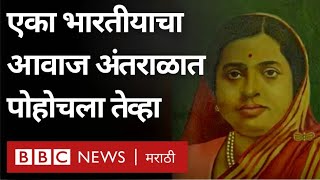
केसरबाई केरकर : व्हॉयेजर यानातून अंतराळात पोहोचलेला भारताचा आवाज The golden voice of Kesarbai Kerkar

Explore the timeless and boundless musical legacy of Kesarbai Kerkar, the golden voice of India.

YouTube

Ustad Alladiya Khan and his disciples (Hindi).

Discover the influential disciples of Ustad Alladiya Khan, including the renowned vocalist Kesarbai Kerkar.

YouTube

📖 Curated Sources

🌱 What changed because of them

Kesarbai Kerkar challenged the gendered expectations of Hindustani classical music by establishing female khayal singing as a serious art form outside private mehfils. Her strict artistic standards influenced concert culture, resisting amplification technologies to uphold musical purity. Institutions like the Sangeet Natak Akademi honored her contributions, while her recordings provided a template for future Jaipur-Atrauli gharana vocalists, ensuring broader acceptance of women performers in mainstream classical music.

💬 Social Buzz

🐦

What are people saying about Kesarbai Kerkar?

Found a post from a historian, journalist or notable voice? Share it here and help tell their story. 🇮🇳

💭 Memories & Tributes

Share your memory of Kesarbai Kerkar...
Loading memories...
Is this profile accurate?