Homi J. Bhabha, Nuclear Physicist
Nuclear Physicist

Homi J. Bhabha

Born 30 October 1909 · Maharashtra — Died 24 January 1966

Founded the Tata Institute of Fundamental Research and led India's first nuclear energy program.

Homi Jehangir Bhabha, FNI, FASc, FRS was an Indian nuclear theoretical physicist who is widely credited as the "father of the Indian nuclear programme". He was the founding director and professor of physics at the Tata Institute of Fundamental Research (TIFR), as well as the founding director of the Atomic Energy Establishment, Trombay (AEET) which was renamed the Bhabha Atomic Research Centre in his honour. TIFR and AEET served as the cornerstone to the Indian nuclear energy and weapons programme. He was the first chairman of the Indian Atomic Energy Commission (AEC) and secretary of the Department of Atomic Energy (DAE).

✨

A detail that
surprised us

“

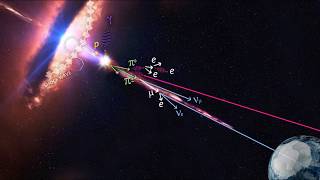
Bhabha named the meson particle and predicted relativistic time dilation effects in meson decay during his Cambridge research, influencing particle physics terminology.

The Story

1
🎓 In 1934, at Cambridge University, Homi J. Bhabha completed his Ph.D. in nuclear physics, a milestone that set the stage for his pioneering work in particle physics and cosmic ray showers.
2
🧪 His 1942 doctoral thesis won the prestigious Adams Prize, marking the first time an Indian physicist received this honor for his work on elementary particles and their interactions.
3🎼 Growing up in Mumbai, Bhabha’s childhood was steeped in Western classical music and art, with violin and piano lessons alongside sketching under artist Jehangir Lalkala, evidenced by his second-place prize at the Bombay Art Society at age 17.
4🔬 In 1945, Bhabha founded the Tata Institute of Fundamental Research (TIFR) in Mumbai, an institution designed from the ground up to foster nuclear physics research, drawing inspiration from the Institute for Advanced Study at Princeton.

🏅 Awards & Honours

—
Padma Bhushan

🔍 One thing most people don't know

“

In 1932, Bhabha wrote to a friend that engineering was "totally foreign to my nature," choosing physics instead despite family expectations, showing early clarity about his vocation.

🖼️

Through the Years

4 photographs from the archives
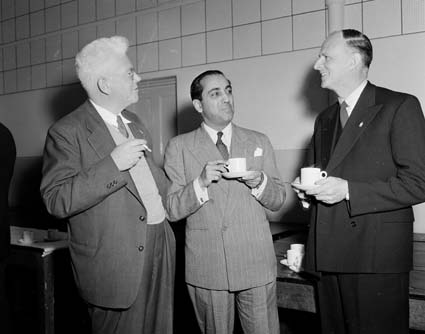
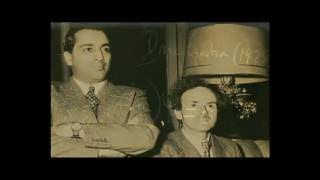
Homi J. Bhabha with Babasaheb Ambedkar and colleagues at Siddharth College, Mumbai (1946).
1946
Homi Jehangir Bhabha with Australian scientists at Sydney symposium on atomic power (1954).
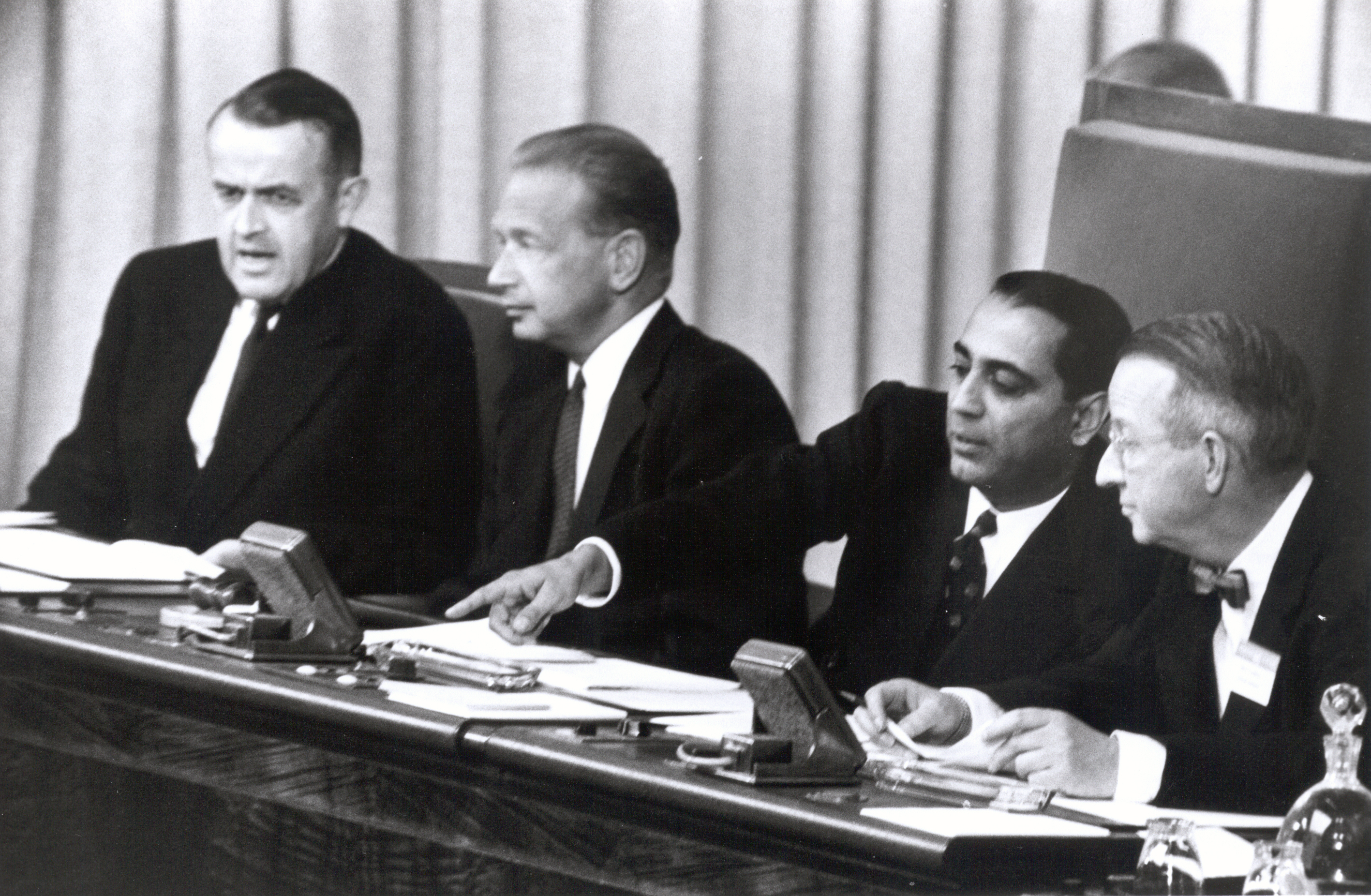
Homi J. Bhabha at closing session of International Conference on Peaceful Uses of Atomic Energy, Geneva (1955).
Homi J. Bhabha at opening of International Conference on Peaceful Uses of Atomic Energy, Geneva (1955).

🗓️ A Life in Moments

🕊️
Birth
Birth in Mumbai to Parsi family
Homi Jehangir Bhabha was born into a wealthy Parsi family with a strong educational legacy in Bombay (now Mumbai).
1909
📚
Education
Ph.D. in Nuclear Physics at Cambridge
Bhabha completed his doctorate under R.H. Fowler, focusing on nuclear physics and particle interactions.
1934
🏅
Award
Wins Adams Prize for Thesis
His thesis on elementary particles won the Adams Prize, a major scientific recognition from Cambridge.
1942
⚡
Career
Founds Tata Institute of Fundamental Research
Bhabha established TIFR in Mumbai to promote advanced research in nuclear and fundamental physics.
1945
⚡
Career
Establishes Atomic Energy Establishment, Trombay
He founded the AEET, later renamed Bhabha Atomic Research Centre, laying the foundation for India's nuclear program.
1954
⚡
Career
Leads UN Conference on Peaceful Uses of Atomic Energy
Bhabha organized the first UN conference in Geneva to promote atomic energy for peaceful purposes.
1955
🕊️
Death
Dies in Air India Flight Crash
Bhabha died in a plane crash on Mont Blanc en route to Geneva, abruptly ending his leadership of India’s nuclear program.
1966
More moments to come...
+ Add a moment

🗝️Discoveries

Swipe to uncover hidden stories
01 / 05
🔍LESSER KNOWN

Bhabha’s self-portrait won second place at the Bombay Art Society exhibition when he was just seventeen, underscoring his talent in fine arts alongside physics.

02 / 05
👤PERSONAL

He frequently listened to Beethoven, Mozart, Haydn, and Schubert records at his aunt Meherbai Tata’s home, linking his scientific creativity with a deep appreciation for Western classical music.

03 / 05
🏆ACHIEVEMENT

Bhabha was nominated for the Nobel Prize in Physics multiple times between 1951 and 1956 but never won, despite international recognition of his work on scattering processes.

No quote recorded for Homi J. Bhabha yet.

🎙️ Speeches & Recordings

These recordings preserve the legacy of Bharat's icons
Dr Homi Jehangir Bhabha Real Video & Voice, Geneva, Switzerland, 1955
More from this archive
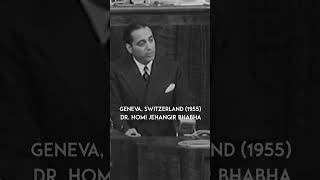
Dr Homi Jehangir Bhabha Real Video & Voice, Geneva, Switzerland, 1955
01
Dr Homi Jehangir Bhabha Real Video & Voice, Geneva, Switzerland, 1955
Homi J. Bhabha | Father of The Indian Nuclear Programme
02
Homi J. Bhabha | Father of The Indian Nuclear Programme
Documentary (English) | Dr. Homi Bhabha - In Love With India
03
Documentary (English) | Dr. Homi Bhabha - In Love With India
Untold story of Homi Bhabha: The Genius Who Made India’s Nuclear Dream Possible
04
Untold story of Homi Bhabha: The Genius Who Made India’s Nuclear Dream Possible
Film on Dr Homi Bhabha by TIFR marking his birth centenary in 2009
05
Film on Dr Homi Bhabha by TIFR marking his birth centenary in 2009
Dr. Homi Jehangir Bhabha - Scientist in Action [rare documentary] 01 of 03
06
Dr. Homi Jehangir Bhabha - Scientist in Action [rare documentary] 01 of 03
Dr. Homi Jehangir Bhabha - Scientist in Action [rare documentary] 02 of 03
07
Dr. Homi Jehangir Bhabha - Scientist in Action [rare documentary] 02 of 03
Homi Bhabha A Scientific In Action
08
Homi Bhabha A Scientific In Action
Mars & Beyond - Homi J Bhabha: Through his Contemporaries
09
Mars & Beyond - Homi J Bhabha: Through his Contemporaries
Homi Jehangir Bhabha - established TIFR, father of nuclear energy in india
10
Homi Jehangir Bhabha - established TIFR, father of nuclear energy in india

🌱 What changed because of them

Bhabha's founding of TIFR and the Atomic Energy Establishment at Trombay created institutional pillars that enabled India’s independent nuclear research and energy capabilities. His role as first chairman of the Atomic Energy Commission shaped India’s nuclear policy framework, while his leadership helped launch the Indian space program by supporting early space science projects.

💬 Social Buzz

💬

What are people saying about Homi J. Bhabha?

Share posts from historians, journalists and notable voices about this icon. 🇮🇳

💭 Memories & Tributes

Share your memory of Homi J. Bhabha...
Loading memories...
Is this profile accurate?