Habib Tanvir
Born 1 September 1923 · Chhattisgarh
Died 8 June 2009
Founded Naya Theatre in 1959, blending tribal performance with modern Indian theatre.
🔔 Add birthday reminderHabib Tanvir was one of the most popular Indian Urdu playwrights, a theatre director, poet and actor. He was the writer of plays such as, Agra Bazar (1954) and Charandas Chor (1975). A pioneer in Urdu and Hindi theatre, he was most known for his work with Chhattisgarhi tribals, at the Naya Theatre, a theatre company he founded in 1959 in Bhopal. He went on to include indigenous performance forms such as nacha, to create not only a new theatrical language, but also milestones such as Charandas Chor, Gaon ka Naam Sasural, Mor Naam Damad and Kamdeo ka Apna Basant Ritu ka Sapna.
✨ A detail that surprised us
Habib Tanvir’s 1975 play Charandas Chor featured an onstage orchestra of 72 musicians, blending theatre and folk music on a scale rarely seen in Indian theatre.
1. 🎭 In 1959, Habib Tanvir founded Naya Theatre in Bhopal, pioneering a unique blend of urban and tribal actors, notably integrating Chhattisgarhi folk performers into modern drama.
2. In 1954, his play Agra Bazar staged in a bustling marketplace, depicted 19th-century colonial India’s cultural shifts, using 52 performers to animate the Urdu poet Nazir Akbarabadi’s world.
3. 🎶 From the 1970s, Tanvir incorporated indigenous Chhattisgarhi musical forms like nacha into plays such as Charandas Chor, which featured an unprecedented 72-member orchestra onstage, blending folk and theatrical traditions.
4. In 1982, Charandas Chor earned the Fringe First Award at the Edinburgh International Drama Festival, marking one of the earliest Indian plays to receive international acclaim for its innovative dramaturgy.
5. 📜 Between 1972 and 1978, Tanvir served as a Rajya Sabha member, bringing his artistic vision into the political sphere during a transformative period in Indian cultural policy.
6. In 1945, Tanvir joined All India Radio Bombay, where he wrote songs for Hindi and Urdu films, acted, and became deeply involved with the Indian People’s Theatre Association, shaping his secular, progressive artistic ideology.
7. 🎓 In the mid-1950s, he trained at the Royal Academy of Dramatic Arts and Bristol Old Vic Theatre School in England but consciously rejected Western theatrical rigidity, choosing instead to craft an idiom suited to India’s diverse performance traditions.
8. ❓ How did Habib Tanvir’s fusion of folk performance and modern theatre challenge prevailing ideas about language, culture, and audience in post-independence Indian drama?
Awards & Honours
- 🏅Sangeet Natak Akademi Award
🔍 One thing most people don't know
In 1954, Tanvir staged Agra Bazar in a real marketplace, not a theatre, using 52 actors to bring 19th-century colonial India’s Urdu folk poet Nazir Akbarabadi’s world to life.
🖼️ Through the Years
📷 No photos yet
📅 The Journey
🗝️ Discoveries
"It taught me, via a negative route, why and how I needed to create a new idiom for my own theatre."
— Habib Tanvir
🎥 Speeches & Recordings
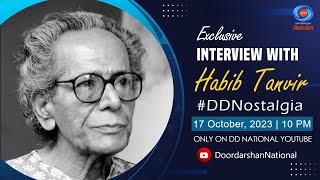
Exclusive Interview with Writer & Director Habib Tanvir | DD Nostalgia
YouTube📖 Curated Sources
🌱 What changed because of them
Habib Tanvir revolutionized Indian theatre by founding Naya Theatre, which institutionalized the integration of tribal folk artists from Chhattisgarh with urban actors, thus reshaping theatre’s social and cultural reach. His work influenced generations of performers and directors, expanding the appreciation for indigenous performance traditions within mainstream and academic theatre institutions. Politically, his Rajya Sabha tenure facilitated a dialogue between artistic communities and national cultural policies during the 1970s.
💬 Social Buzz
🐦
What are people saying about Habib Tanvir?
Found a post from a historian, journalist or notable voice? Share it here and help tell their story. 🇮🇳