Fathima Beevi
Born 30 April 1927 · Kerala
Died 23 November 2023
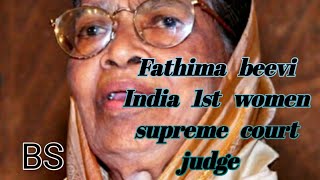
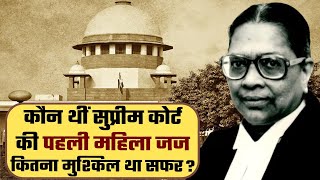
First female judge appointed to the Supreme Court of India in 1989.
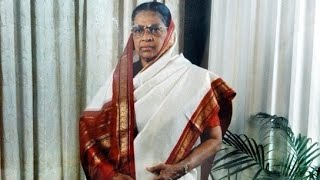
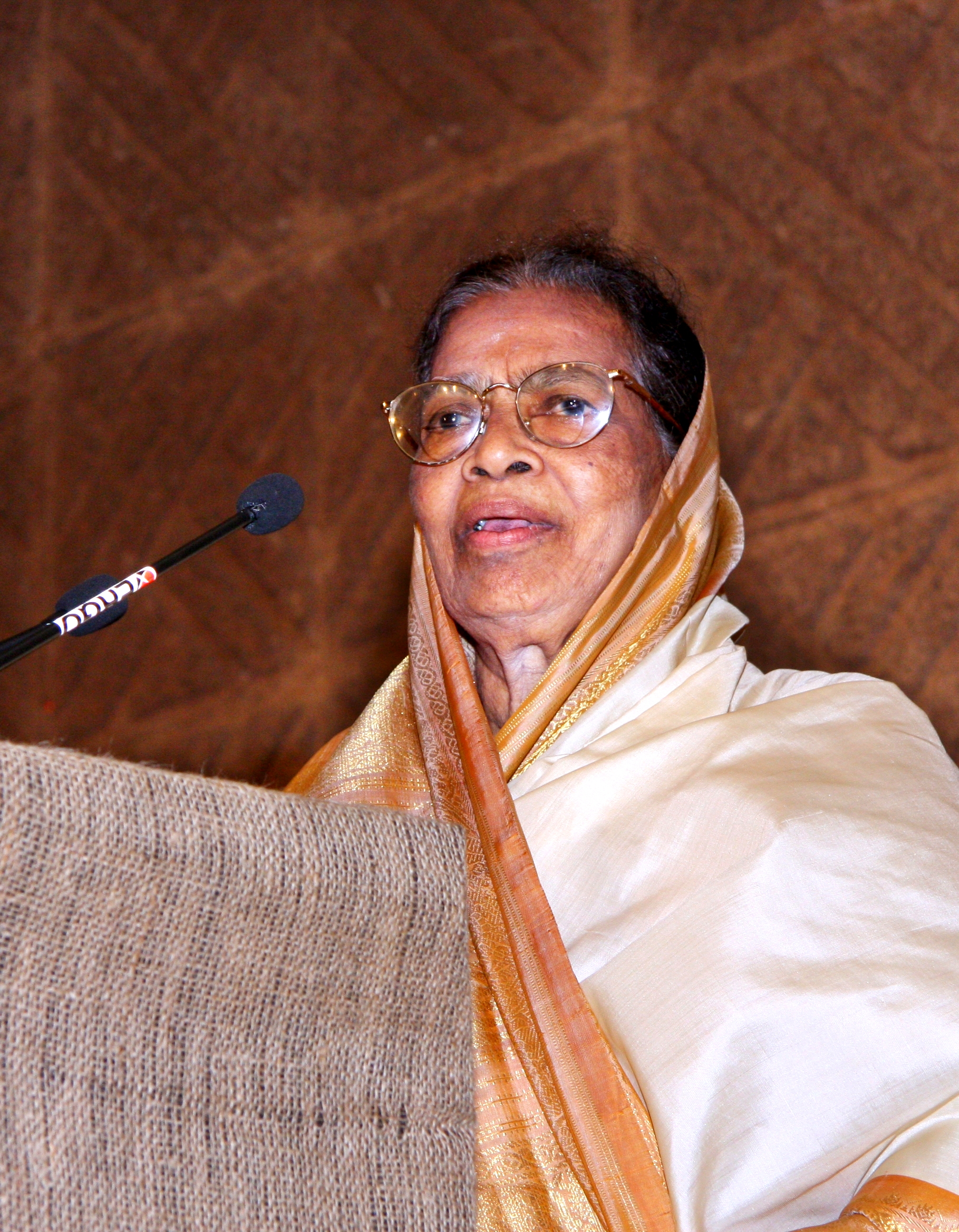
🔔 Add birthday reminderM. Fathima Beevi was an Indian judge who was a justice of the Supreme Court of India. Appointed to the apex Court in 1989, she became the first female judge of the Supreme Court of India, and the first Muslim woman to be appointed to any of the higher judiciaries in the country. On her retirement from the court, she served as a member of the National Human Rights Commission and later as the Governor of the Indian state of Tamil Nadu from 1997 to 2001.
✨ A detail that surprised us
Fathima Beevi was one of only five women in her law class and wore a headscarf in court, standing out in the predominantly male judiciary of 1950s Kerala.
1. 🎓 In 1950, M. Fathima Beevi topped the Bar Council exam and enrolled as an advocate on November 14, starting her legal career in the male-dominated lower courts of Kollam, Kerala.
2. By May 1958, she became a Munsiff in Kerala Sub-ordinate Judicial Services, marking her entry into the judiciary at a time when female judges were exceedingly rare in India.
3. In 1980, she advanced to become the Judicial Member of the Income Tax Appellate Tribunal, a critical role bridging law and finance.
4. ⚖️ On August 4, 1983, she was appointed as a judge of the Kerala High Court, becoming the first Muslim woman to join a higher judiciary in India.
5. In 1989, under the Rajiv Gandhi government, she was elevated to the Supreme Court of India on October 6, becoming the first female judge in the apex court’s history.
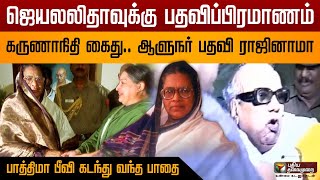
6. 🏛️ From 1997 to 2001, she served as the Governor of Tamil Nadu, where she notably rejected mercy petitions related to the Rajiv Gandhi assassination case, exercising constitutional clemency powers.
7. Her tenure as Governor ended amid controversy after she gave a clean chit to Tamil Nadu’s law and order situation, drawing criticism from the central government led by Arun Jaitley.
8. ❓ How did Fathima Beevi navigate the intersecting pressures of gender, religion, and politics in India’s judiciary and governance during the late 20th century?
Awards & Honours
- 🏅Padma Bhushan · 2024
🔍 One thing most people don't know
In 1950, Fathima Beevi became the first woman in Kerala to earn a law degree, topping the Bar Council exam and receiving the Bar Council Gold Medal that year.
🖼️ Through the Years
📷 No photos yet
📅 The Journey
🗝️ Discoveries
🎥 Speeches & Recordings
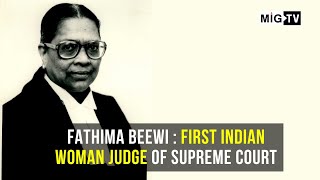
Fathima Beewi : First Indian Woman Judge of Supreme Court
YouTube📖 Curated Sources
🌱 What changed because of them
Fathima Beevi’s appointment to the Supreme Court opened the door for women and minority communities in India’s higher judiciary, challenging longstanding gender and religious barriers. Her service as Governor of Tamil Nadu demonstrated the evolving role of women in constitutional offices, influencing future appointments of women in governance. Her career also spotlighted debates on secularism, gender, and judicial independence in India during politically turbulent times.
💬 Social Buzz
🐦
What are people saying about Fathima Beevi?
Found a post from a historian, journalist or notable voice? Share it here and help tell their story. 🇮🇳