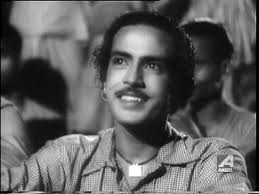
Dhirendra Nath Ganguly
Born 26 March 1893 · Bangladesh
Died 18 November 1978
Founded the Indo British Film Company, the first Bengali-owned film production company in India.
🔔 Add birthday reminderDhirendra Nath Ganguly, better known as Dhiren Ganguly or D.G, was a Dadasaheb Phalke Award-winning and Padma Bhushan recipient film entrepreneur/actor/director of Bengali Cinema. He had set up a number of film production companies: Indo British Film company, British Dominion Films, Lotus Film Company. Later, he directed films for New Theatres. He produced many movies in the comedy genre.
✨ A detail that surprised us
In 1915, long before talkies, Ganguly authored a makeup manual, Bhavki Abhibyakti, which was used to train CID officers in disguise techniques across British and independent India.
1. 🎬 In 1918, Dhirendra Nath Ganguly co-founded the Indo British Film Company, marking one of the earliest Bengali-owned film production ventures, producing silent comedies like Bilat Ferat (1921) that satirized the Anglo-Indian cultural clash.
2. 🎭 Ganguly’s 1915 book Bhavki Abhibyakti unveiled his innovative makeup techniques, which he later taught to CID officers in both colonial and independent India, blending artistry with practical law enforcement.
3. In 1924, his film Razia Begum, portraying a forbidden love between a Muslim princess and an Abyssinian slave, enraged the Nizam of Hyderabad so much that Ganguly was ordered to leave the city within 24 hours.
4. 🎥 Returning to Calcutta in 1928, Ganguly launched British Dominion Films, backed by actor Pramathesh Barua, but the company faltered with the rise of talkies due to new sound technology challenges.
5. His 1930 film Flames of Flesh was shot on location at Amber Palace, Rajasthan, dramatizing the life of Rani Padmini of Chittor, an unusual choice of historical subject for Indian silent cinema.
6. At New Theatres, Ganguly juggled roles of producer, director, writer, and actor, delivering comedies like Mastuto Bhai (1934) and Excuse Me Sir that captured the urban Bengali middle-class humor of the 1930s.
7. 🏆 In 1974 and 1975, Ganguly received the Padma Bhushan and the Dadasaheb Phalke Award respectively, recognizing his decades-long influence on Bengali cinema’s evolution.
8. ❓ How did Ganguly’s early training in fine arts and association with Rabindranath Tagore shape his approach to filmmaking during the tumultuous transition from silent films to talkies?
Awards & Honours
- 🏅Padma Bhushan · 1974
- 🏅Dadasaheb Phalke Award · 1975
🔍 One thing most people don't know
Ganguly was expelled from Hyderabad in 1924 after his film Razia Begum depicted a controversial romance between a Muslim princess and an Abyssinian slave, which offended the Nizam’s court.
🖼️ Through the Years
📅 The Journey
🗝️ Discoveries
🎥 Speeches & Recordings
🎥 Know a speech or documentary about Dhirendra Nath Ganguly?
📖 Curated Sources
🌱 What changed because of them
Dhirendra Nath Ganguly’s pioneering efforts in founding Bengali-owned production companies laid groundwork for regional cinema’s autonomy from colonial influences. His comedies and historical films influenced narrative styles at New Theatres, shaping Bengali cinema’s identity. His integration of acting, directing, and production roles inspired future generations of filmmakers to adopt multi-hyphenate careers.
💬 Social Buzz
🐦
What are people saying about Dhirendra Nath Ganguly?
Found a post from a historian, journalist or notable voice? Share it here and help tell their story. 🇮🇳