Chhatrapati Shivaji Maharaj, Warrior-King, Founder of the Maratha Empire
Warrior-King, Founder of the Maratha Empire

Chhatrapati Shivaji Maharaj

Born 19 February 1630 · Maharashtra

Died 3 April 1680

Crowned as the first Chhatrapati of the Maratha Empire in 1674 at Raigad Fort.

🔔 Add birthday reminder

Shivaji I was an Indian ruler and a member of the Bhonsle dynasty. Shivaji inherited a jagir from his father who served as a retainer for the Sultanate of Bijapur, which later formed the genesis of the Maratha Kingdom. In 1674, he was formally crowned the Chhatrapati of his realm at Raigad Fort.

✨ A detail that surprised us

During his 1674 coronation, Shivaji was anointed with water from seven sacred rivers, including the Ganges and Yamuna, poured from a gold vessel by the priest Gaga Bhatt.

1. In 1645, at just 15 years old, Shivaji seized Torna Fort near Pune, marking his first major military victory and the foundation of what would become the Maratha Empire.

2. 🌊 By the 1660s, Shivaji had developed a formidable navy along the western coast of India, establishing key naval bases like Sindhudurg to counter Portuguese and British influence.

3. In 1674, Shivaji was crowned Chhatrapati at Raigad Fort in a ceremony attended by nearly 50,000 people, where sacred waters from seven rivers were poured over his head, symbolizing his sovereignty.

4. Shivaji’s administration broke traditional caste barriers by employing people of all religions and castes, including Muslims and Europeans, in his army and civil services, a rare approach in 17th-century India.

5. ⚔️ After his defeat at the Battle of Purandar in 1665, Shivaji entered Mughal vassalage briefly but used this period strategically to expand his territory by capturing forts ceded by Bijapur.

6. Shivaji wrote multiple letters of apology and petition to Mughal Emperor Aurangzeb, seeking recognition and titles while simultaneously preparing to resist Mughal dominance.

7. 🏰 Shivaji’s empire was anchored by a network of forts, including Raigad, Sinhagad, and Purandar, which he personally oversaw building and fortifying to maintain control over the Deccan region.

8. ❓ How did Shivaji’s tactical use of guerrilla warfare and naval power reshape resistance against both Islamic sultanates and emerging European colonial forces in the 17th century?

Awards & Honours

🔍 One thing most people don't know

In 1674, despite opposition from Brahmin priests, Shivaji’s coronation was conducted by Gaga Bhatt, who declared him a Kshatriya, resolving disputes over his royal lineage.

🖼️ Through the Years

📷 No photos yet

📅 The Journey

← Drag to explore →
🕊️

Birth at Shivneri Fort

Shivaji Bhonsle was born in Shivneri Fort, Maharashtra, to Shahaji Bhonsle and Jijabai, into the Bhonsle Maratha clan.

Wikipedia

Capture of Torna Fort

At age 15, Shivaji captured Torna Fort near Pune, his first major military conquest initiating Maratha territorial expansion.

Battle of Purandar and Vassalage

Shivaji was defeated by Mughal general Jai Singh I, resulting in his temporary vassalage to the Mughal Empire and territorial concessions.

Coronation as Chhatrapati

Shivaji was officially crowned king at Raigad Fort in a grand ceremony attended by 50,000 people, solidifying his sovereignty.

🕊️

Death of Shivaji Maharaj

Shivaji died at Raigad Fort, leaving a legacy of a strong Maratha kingdom and a blueprint for resistance against imperial powers.

🌟

End of Maratha Empire

The Maratha Empire formally ended after defeat by the British East India Company, marking the close of the kingdom Shivaji founded.

+Add a moment
1630Birth
1645
1665
1674
1680
1818

🗝️ Discoveries

🌏

Shivaji’s naval force was one of the earliest Indian maritime powers to challenge European colonial navies, with naval bases such as Sindhudurg strategically placed along the Konkan coast by the 1660s.

Source: Vedantu

🏆

He personally oversaw the construction and fortification of over 300 forts across Maharashtra, creating a formidable defensive network that secured his realm.

Source: BYJU'S

👤

Shivaji practiced religious tolerance by employing Muslims and Europeans in his administration and army, breaking contemporary social norms in 17th-century India.

Source: Wikipedia

🌏

The title 'Chhatrapati' given to Shivaji in 1674 translates to 'Keeper of the Umbrella,' symbolizing sovereignty and protection, a title not commonly used before him.

Source: Britannica

🎥 Speeches & Recordings

Chhatrapati Shivaji Maharaj Ke Swarajya Ki Kahaani - Vaibhav Purandare | TRS

Explore the inspiring story of Chhatrapati Shivaji Maharaj's quest for Swarajya with historian Vaibhav Purandare.

YouTube

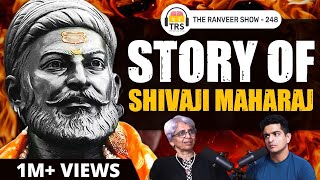
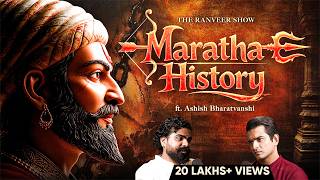
Chattrapati Shivaji Maharaj | Rise Of 🇮🇳’s Greatest Emperor - Medha B | The Ranveer Show 248

Discover the rise and legacy of Chhatrapati Shivaji Maharaj, one of India’s greatest emperors, in this detailed episode.

YouTube

📖 Curated Sources

🌱 What changed because of them

Shivaji Maharaj’s establishment of an independent Maratha kingdom laid the groundwork for a powerful regional state that challenged Mughal supremacy and European colonial ambitions. His administrative reforms, including promoting Marathi and Sanskrit over Persian, influenced later nationalist movements and inspired leaders like Bal Gangadhar Tilak and Jyotirao Phule. The Maratha navy and guerrilla tactics he pioneered shaped the military strategies of subsequent Indian powers resisting colonialism.

💬 Social Buzz

🐦

What are people saying about Chhatrapati Shivaji Maharaj?

Found a post from a historian, journalist or notable voice? Share it here and help tell their story. 🇮🇳

💭 Memories & Tributes

Share your memory of Chhatrapati Shivaji Maharaj...
Loading memories...
Is this profile accurate?