BS
Wildlife Conservationist

Billy Arjan Singh

Born 15 August 1917 · verify

Died 1 January 2010

First to successfully reintroduce captive tigers and leopards into the wild in India.

🔔 Add birthday reminder

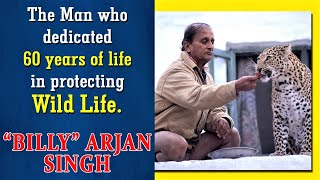
Kunwar "Billy" Arjan Singh was an Indian hunter turned conservationist and author. He was the first who tried to reintroduce tigers and leopards from captivity into the wild.

✨ A detail that surprised us

Billy Arjan Singh’s tigress Tara, introduced into the wild in 1976, was suspected to carry Siberian tiger genes, sparking one of India’s earliest debates on tiger hybridization.

1. In 1973, Billy Arjan Singh reintroduced an orphaned male leopard named Prince into the wild of Dudhwa National Park, marking one of the earliest attempts to release big cats raised in captivity back into their natural habitat.

2. 🌿 In 1976, Singh persuaded Prime Minister Indira Gandhi to convert Dudhwa’s forestry reserve into a 200-square-mile national park, paving the way for modern tiger conservation in India.

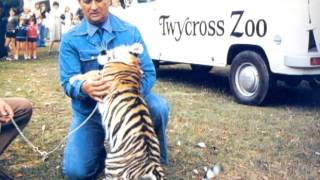
3. 🐅 That same year, Singh introduced Tara, a hand-reared tigress from Twycross Zoo in the UK, into the wild of Dudhwa, sparking debate due to her suspected Bengal-Siberian hybrid genetics.

4. In the 1990s, tiger sightings in Dudhwa showed unusual Siberian tiger traits; Singh facilitated genetic testing that revealed the presence of Bengal tiger mitochondrial DNA, raising questions about hybridization in the wild.

5. 🏅 Over his lifetime, Singh received multiple awards including the 1995 Padma Shri, the 1996 WWF Gold Medal, the 2004 J. Paul Getty Wildlife Conservation Award, and the 2006 Padma Bhushan, reflecting his decades of work from hunter to conservationist.

6. 🌳 In 1959, Singh bought a patch of land at the confluence of the Soheli and Neora rivers, creating Tiger Haven, a farm that he transformed into a sanctuary blending human livelihood with wildlife protection near Dudhwa.

7. Despite initially being an avid hunter who killed his first leopard at age 12 and tiger at 14, Singh’s perspective shifted dramatically after shooting a young leopard, leading him to dedicate over 40 years to saving India’s big cats.

8. ❓ How did Singh’s decision to reintroduce captive big cats influence wildlife policies, and what controversies did it ignite about genetics and tiger conservation in India?

Awards & Honours

  • 🏅Padma Shri

🔍 One thing most people don't know

In 1973, Singh successfully reintroduced Prince, an orphaned male leopard raised in captivity, into Dudhwa’s forests, challenging prevailing skepticism about captive animal releases.

🖼️ Through the Years

📷 No photos yet

📅 The Journey

← Drag to explore →
🕊️

Birth in Gorakhpur

Billy Arjan Singh was born in Gorakhpur, Uttar Pradesh, into a Sikh royal family linked to Kapurthala.

Wikipedia

Establishes Tiger Haven

Bought land at Soheli and Neora rivers to create Tiger Haven, blending farming with wildlife sanctuary near Dudhwa.

Reintroduces leopard Prince

Released Prince, an orphaned male leopard raised in captivity, into Dudhwa National Park.

Dudhwa becomes National Park

Singh’s efforts secured Prime Minister Indira Gandhi’s approval to make Dudhwa a 200-square-mile national park.

Introduces tigress Tara

Hand-reared tigress Tara was brought from UK’s Twycross Zoo and reintroduced to the wild in Dudhwa.

🏅

Awarded Padma Shri

Received one of India’s highest civilian honors, the Padma Shri, for conservation work.

🏅

J. Paul Getty Wildlife Award

Honored with the J. Paul Getty Wildlife Conservation Award by WWF recognizing his innovations.

🏅

Receives Padma Bhushan

Received Padma Bhushan, one of India’s highest civilian awards, acknowledging lifetime conservation efforts.

🕊️

Death at Tiger Haven

Billy Arjan Singh passed away peacefully at his farmhouse Tiger Haven near Dudhwa at age 92.

+Add a moment
1917Birth
1959
1973
1976
1976
1995
2004
2006
2010

🗝️ Discoveries

🌏

In 1976, Singh obtained permission from Prime Minister Indira Gandhi to release Tara, a hand-reared tigress from the UK, into Dudhwa, an unprecedented act in Indian conservation history.

Source: Wikipedia

💡

Tiger sightings in the 1990s at Dudhwa showed traits of Siberian tigers, but genetic analysis revealed Bengal tiger mitochondrial DNA, suggesting maternal lineage from Bengal tigers despite hybrid appearances.

Source: Wikipedia

👤

Singh’s Tiger Haven farm, started in 1959 on land prone to flooding but enriched by Himalayan river silt, combined farming with wildlife protection on the edge of Dudhwa’s wilderness.

Source: Sanctuary Nature Foundation

🔍

Despite beginning as a hunter who killed his first tiger at 14, Singh turned conservationist after a pivotal moment shooting a young leopard, leading him to save barasingha and big cats for decades.

Source: Outlook Traveller

🎥 Speeches & Recordings

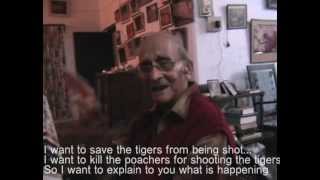
Excerpts of an Interview with Billy Arjan Singh Part ----- 2

Dive into a rare interview revealing Billy Arjan Singh's deep connection and faith in wildlife over humans.

YouTube

Excerpts of an Interview with Billy Arjan Singh

Explore the insights and experiences of conservationist Billy Arjan Singh in this exclusive interview excerpt.

YouTube

📖 Curated Sources

🌱 What changed because of them

Billy Arjan Singh’s advocacy led to the transformation of Dudhwa into a national park and later a tiger reserve, setting a precedent for protected areas dedicated to big cat conservation in India. His pioneering work in reintroducing captive-raised tigers and leopards influenced wildlife management practices and raised awareness about human-wildlife coexistence. His Tiger Haven farm became a model for integrating sustainable farming with wildlife preservation.

💬 Social Buzz

🐦

What are people saying about Billy Arjan Singh?

Found a post from a historian, journalist or notable voice? Share it here and help tell their story. 🇮🇳

💭 Memories & Tributes

Share your memory of Billy Arjan Singh...
Loading memories...
Is this profile accurate?