Ariyakudi Ramanuja Iyengar, Carnatic Vocalist
Carnatic Vocalist

Ariyakudi Ramanuja Iyengar

Born 19 May 1890 · Tamil Nadu

Died 1 January 1967

Established the modern katcheri concert format in Carnatic music.

🔔 Add birthday reminder

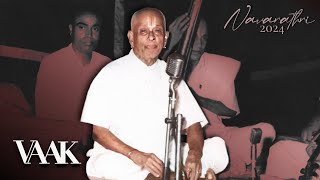
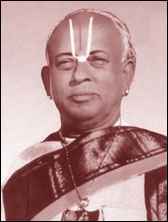
Ariyakudi Ramanuja Iyengar, popularly known as Ariyakudi, was a Carnatic music vocalist, born in Ariyakudi, a town in the present-day Sivaganga district of Tamil Nadu. Ariyakudi developed a unique style of singing which came to be known as The Ariyakudi Tradition and is followed by his students. He is credited with establishing the modern katcheri (concert) traditions in Carnatic music.

✨ A detail that surprised us

Ariyakudi used to play the mridangam himself at home for love of the instrument, which deepened his insight into percussion’s role in concerts.

1. In 1918, Ariyakudi Ramanuja Iyengar made his debut at the Tyagaraja Aradhana festival, marking the start of a new era in Carnatic concert tradition that he would define for decades.

2. 🌟 By the 1930s, Ariyakudi had revolutionized the katcheri format, introducing a concise and balanced concert style that highlighted both composition and improvisation, setting a template still followed today.

3. His partnership with mridangam maestro Palghat Mani Iyer was legendary, with Mani Iyer famously calling Ariyakudi one of his “two eyes,” reflecting their deep musical synergy on stage.

4. Despite being a proponent of Tamil compositions, Ariyakudi resisted the Tamizh Isai Sangam’s 1940s diktat to exclude non-Tamil songs, showing his commitment to musical integrity over politics.

5. 🎖️ In 1952, he was among the first recipients of the Sangeet Natak Akademi Award, and in 1958, the Government of India honored him with the Padma Bhushan, cementing his status in Indian arts.

6. His disciples included K V Narayanaswamy and B. Rajam Iyer, and he shaped the musical sensibilities of M.S. Subbulakshmi, influencing Carnatic music’s future stars.

7. 🎤 Ariyakudi was known to play mridangam at home for pleasure, an unusual trait for a vocalist, which helped him develop an intuitive understanding of percussion accompaniment.

❓ How did Ariyakudi’s personal choices and concert innovations reshape the very soul of Carnatic music performance forever?

Awards & Honours

  • 🏅Padma Bhushan · 1958

🔍 One thing most people don't know

In 1918, Ariyakudi's debut at the Tyagaraja Aradhana festival launched a concert style that replaced the lengthy, unstructured performances common at the time.

🖼️ Through the Years

Ariyakudi Ramanuja Iyengar
Ariyakudi Ramanuja Iyengar with three distinguished Indian musicians receiving awards from President Rajendra Prasad in New Delhi (1952)
1952

📅 The Journey

← Drag to explore →
🕊️

Birth in Ariyakudi, Tamil Nadu

Born to Tiruvengadam Iyengar and Chellammal in the village of Ariyakudi, later part of Sivaganga district.

Wikipedia

🌟

Marriage to Ponnammal

Married Ponnammal and had two daughters, while balancing family life with his music career.

Debut at Tyagaraja Aradhana

Started performing publicly at the iconic Tyagaraja Aradhana festival, gaining early recognition.

🏅

Received Sangeetha Kalanidhi Award

Awarded the prestigious Sangeetha Kalanidhi, recognizing his stature in Carnatic music.

🏅

Sangeet Natak Akademi Award

Received the Sangeet Natak Akademi Award in the first batch of recipients, acknowledged by India's National Academy.

🏅

Sangeet Natak Akademi Fellowship

Granted the highest honour from Sangeet Natak Akademi, elevating his legacy in Indian performing arts.

🏅

Padma Bhushan Award

Honored with the Padma Bhushan by the Government of India for his contributions to arts.

🕊️

Death of Ariyakudi Ramanuja Iyengar

Passed away, leaving behind a rich tradition influencing Carnatic music concerts.

+Add a moment
1890Birth
1909
1918
1938
1952
1954
1958
1967

🗝️ Discoveries

👤

During the 1940s Tamil Isai movement, Ariyakudi openly defied the Tamil Isai Sangam’s rule to sing only Tamil songs, risking alienation from powerful patrons.

Source: sriramv.com

🏆

Ariyakudi was awarded the Sangeet Natak Akademi Fellowship in 1954, the highest honor of India’s National Academy for Music, two years after receiving the Akademi Award.

Source: Wikipedia

🔍

The mridangam maestro Palghat Mani Iyer considered Ariyakudi so essential that he called him one of his “two eyes,” emphasizing their legendary on-stage collaboration.

Source: Wikipedia

🌏

Ariyakudi’s guru, Poochi Srinivasa Iyengar, was a senior disciple of Patnam Subramania Iyer, connecting Ariyakudi directly to the Tyagaraja lineage.

Source: dhvaniohio.org

👤

His association with devadasi Kanjanur Sundarambal Dhanammal after she became his student is documented but remains a nuanced part of his personal history.

Source: Wikipedia

"I was greatly influenced by Ariyakudi Ramanuja Iyengar. I do not want another life. But if there is one, I want to be able to sing like Ramanuja Iyengar." - Semmangudi Srinivasa Iyer

Ariyakudi Ramanuja Iyengar

🎥 Speeches & Recordings

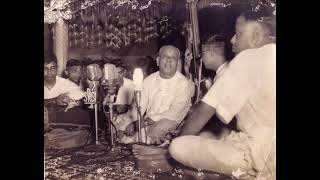
Devi Kritis by Ariyakudi Ramanuja Iyengar

YouTube

Oruthi Maganaai | Ariyakudi Ramanuja Iyengar | Andal | Carnatic Classical Music

YouTube

📖 Curated Sources

🌱 What changed because of them

Ariyakudi Ramanuja Iyengar established the modern Carnatic concert format, known as the Ariyakudi Tradition, which introduced a structured yet dynamic approach to performances that balanced compositions and improvisations. His approach influenced not only his direct disciples but also institutions like the Music Academy and the Tamil Isai Sangam, impacting concert culture and pedagogy across South India. His stylistic innovations continue to shape how Carnatic music is taught and presented today.

💬 Social Buzz

🐦

What are people saying about Ariyakudi Ramanuja Iyengar?

Found a post from a historian, journalist or notable voice? Share it here and help tell their story. 🇮🇳

💭 Memories & Tributes

Share your memory of Ariyakudi Ramanuja Iyengar...
Loading memories...
Is this profile accurate?