Adarsh Sein Anand, Chief Justice of India
Chief Justice of India

Adarsh Sein Anand

Born 1 November 1936 ยท Jammu and Kashmir

Serving as the 29th Chief Justice of India from 1998 to 2001 and shaping key Supreme Court judgments.

Adarsh Sein Anand was the 29th Chief Justice of India, serving from 10 October 1998 to 31 October 2001.

โœจ

A detail that
surprised us

โ€œ

Adarsh Sein Anand earned a Ph.D. in Constitutional Law from the University of London in 1963 before practicing law in India, an uncommon achievement among Indian judges of his generation.

The Story

1
โš–๏ธ Born on November 1, 1936, in Jammu & Kashmir, Adarsh Sein Anand went on to earn a Ph.D. in Constitutional Law from the University of London by 1963, a rare feat for Indian jurists at the time, setting the stage for a judicial career that would span decades.
2
At just 38 years and six months old, Anand was appointed Additional Judge of the Jammu & Kashmir High Court in 1975, a swift rise that reflected his sharp legal mind and dedication to justice amid the complex political environment of Kashmir.
3๐Ÿ“š Anand didn't just judge cases; he shaped legal education by serving on boards at Jammu and Kashmir Universities and authoring the book, "The Constitution of Jammu & Kashmir โ€“ Its Development and Comments," a detailed exploration of the region's unique constitutional status.
4From 1985, Anand led the Jammu & Kashmir High Court as Chief Justice, later transferring to helm the Madras High Court in 1989, where he confronted vastly different legal cultures and regional issues, broadening his judicial perspective.

๐Ÿ… Awards & Honours

โ€”
Padma Vibhushan

๐Ÿ” One thing most people don't know

โ€œ

In 1963, Anand completed a Doctor of Philosophy in Laws focused on the Constitutional Law of the Commonwealth from the University of London, a rare academic achievement among Indian judges at the time.

๐Ÿ–ผ๏ธ

Through the Years

2 photographs from the archives
Justice Adarsh Sein Anand, former Chief Justice of India, in an official portrait (1991)
1991
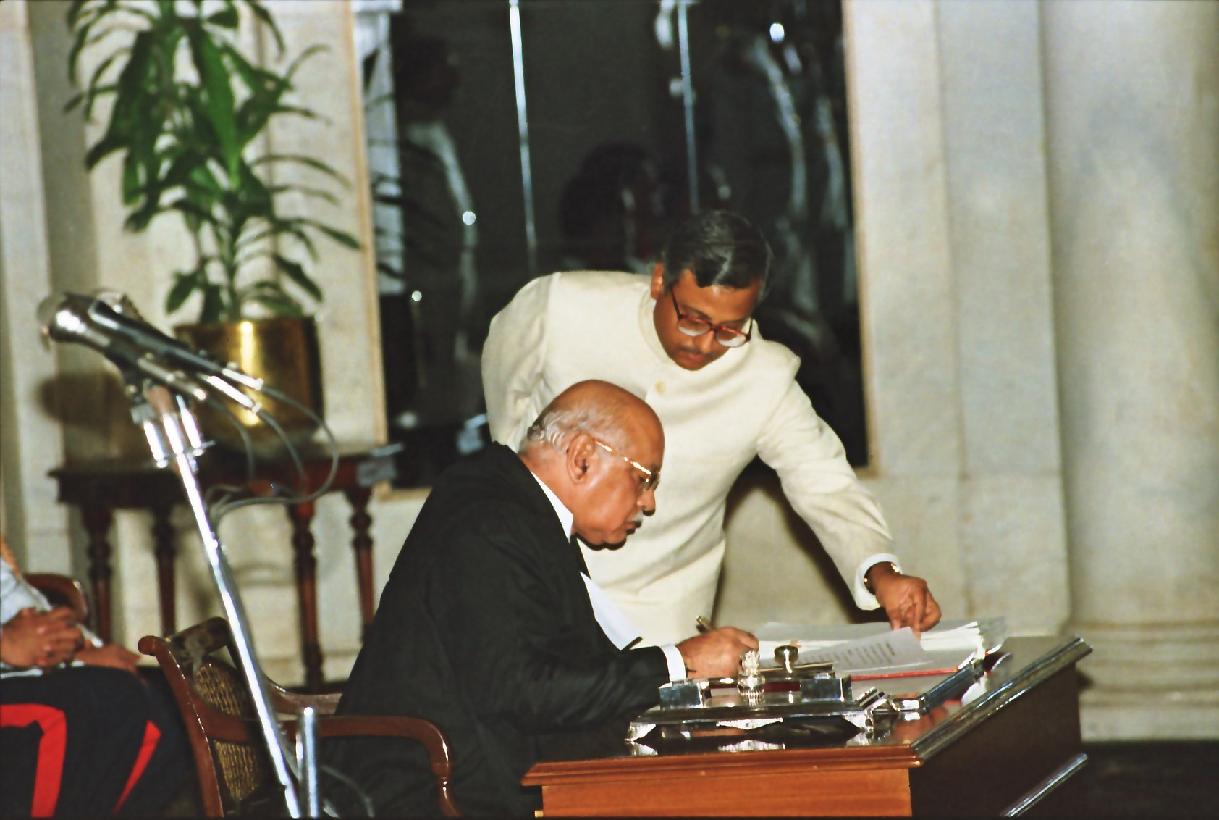
Adarsh Sein Anand receiving the Padma Vibhushan from President Pratibha Patil in New Delhi (2008)

๐Ÿ—“๏ธ A Life in Moments

๐Ÿ•Š๏ธ
Birth
Birth in Jammu & Kashmir
Adarsh Sein Anand was born on November 1, 1936, in the politically complex region of Jammu & Kashmir.
1936
๐Ÿ“š
Education
Ph.D. in Constitutional Law
Anand earned a Doctor of Philosophy in Laws focused on the Constitutional Law of the Commonwealth from the University of London.
1963
โšก
Career
Appointed Additional Judge J&K High Court
At age 38, Anand was appointed Additional Judge of the Jammu & Kashmir High Court on May 26, 1975.
1975
โšก
Career
Chief Justice of Jammu & Kashmir High Court
Anand became Chief Justice of the Jammu & Kashmir High Court on May 11, 1985, leading the court during a tense regional period.
1985
โšก
Career
Chief Justice Madras High Court
Transferred to serve as Chief Justice of Madras High Court starting November 1, 1989, navigating a new regional legal landscape.
1989
โšก
Career
Elevated to Supreme Court Judge
Anand was appointed Judge of the Supreme Court of India on November 18, 1991, beginning a prolific judicial career at the national level.
1991
โšก
Career
Became Chief Justice of India
Anand assumed office as the 29th Chief Justice of India on October 10, 1998, known for resolving high-level judicial conflicts peacefully.
1998
โšก
Career
Chairperson National Human Rights Commission
Post-retirement, Anand chaired the NHRC from February 2003 to October 2006, focusing on protecting civil liberties and human rights.
2003
More moments to come...
+ Add a moment

๐Ÿ—๏ธDiscoveries

Swipe to uncover hidden stories
01 / 05
๐Ÿ”LESSER KNOWN

At age 38 years and six months, Anand was appointed Additional Judge of the Jammu & Kashmir High Court on 26 May 1975, marking a quick rise in a sensitive region's judiciary.

02 / 05
๐Ÿ†ACHIEVEMENT

He authored 196 Supreme Court judgments and sat on 911 benches, predominantly dealing with criminal and constitutional law, showcasing an extensive judicial workload.

03 / 05
๐ŸŒHISTORICAL IMPACT

As Chief Justice, Anand was instrumental in calming a judicial-executive standoff over judge appointments in 1998, favoring harmony and alternative dispute resolution like Lok Adalats.

No quote recorded for Adarsh Sein Anand yet.

๐ŸŽ™๏ธ Speeches & Recordings

These recordings preserve the legacy of Bharat's icons
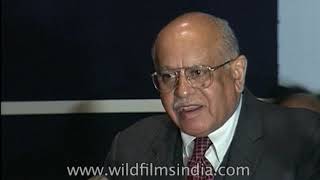
IN CONVERSATION - JUSTICE A S ANAND
More from this archive
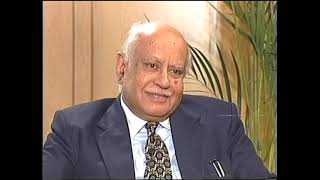
IN CONVERSATION - JUSTICE A S ANAND
01
IN CONVERSATION - JUSTICE A S ANAND
A.S. Anand at golden jubilee celebrations of Supreme Court of India, New Delhi 2000
02
A.S. Anand at golden jubilee celebrations of Supreme Court of India, New Delhi 2000

๐ŸŒฑ What changed because of them

Anandโ€™s tenure as Chief Justice of India helped institutionalize Lok Adalats, creating an accessible forum for resolving disputes outside traditional courts, which significantly reduced case backlogs nationwide. His leadership of the National Human Rights Commission and judicial emphasis on protecting civil liberties also strengthened India's human rights framework and judicial independence during challenging political times.

๐Ÿ’ฌ Social Buzz

๐Ÿ’ฌ

What are people saying about Adarsh Sein Anand?

Share posts from historians, journalists and notable voices about this icon. ๐Ÿ‡ฎ๐Ÿ‡ณ

๐Ÿ’ญ Memories & Tributes

Share your memory of Adarsh Sein Anand...
Loading memories...
Is this profile accurate?